Digital illustrations since 1990
Archetype
An archetype is not what you say, but rather what everyone thinks. An archetype is an example of what is good, bad or average, an ideal form; exactly what it should be.
For Plato and Socrates, science was the universal and it required abstraction in order to be grasped. Intelligence needs order and hierarchy -the logic of a good story- to understand our surroundings. This is how archetypes emerged as elements of abstraction. They are the first lights that allow us to move in the dark.
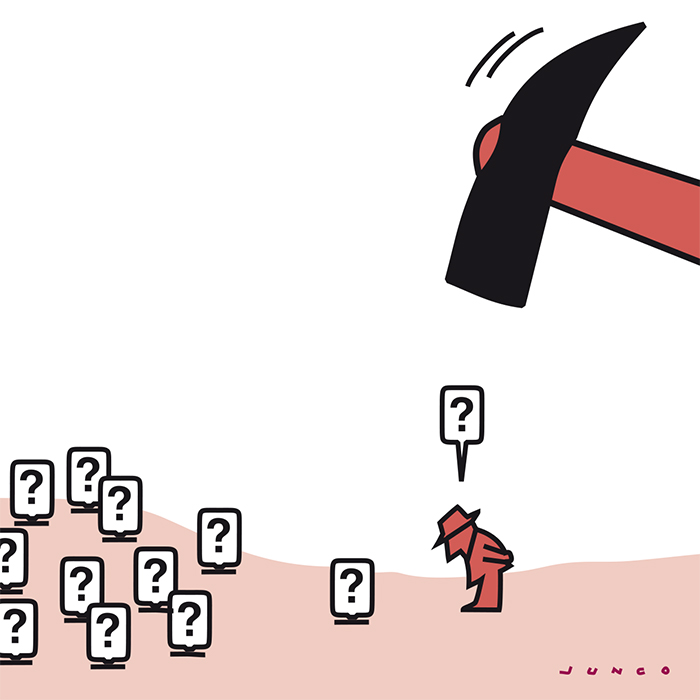
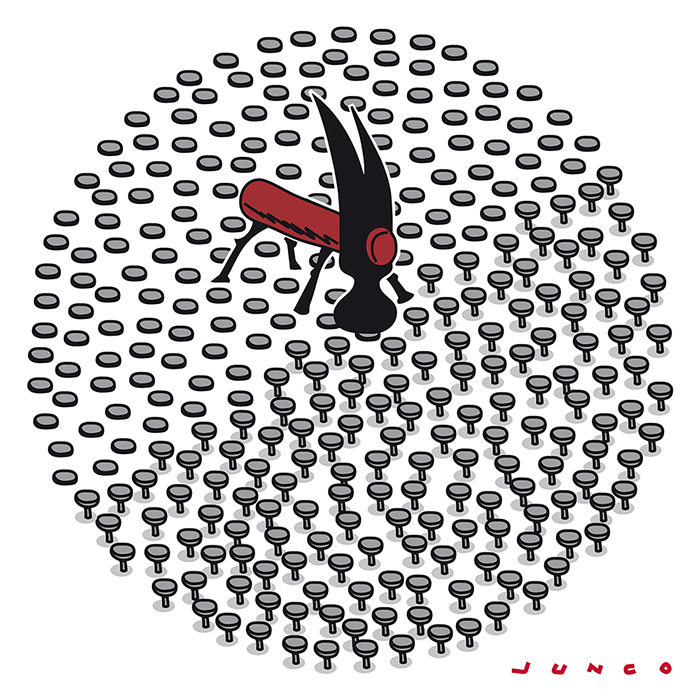
Carl Gustav Jung identified archetypes with the imaginary that makes up the mental catalog from which symbols emerge. They were the mother, good and evil, the hero, envy, the tyrant, the hammer and the mirror, madness and hatred, rich and poor... these kinds of basic and essential pieces for building insight, that is, what allows us to navigate a discourse.
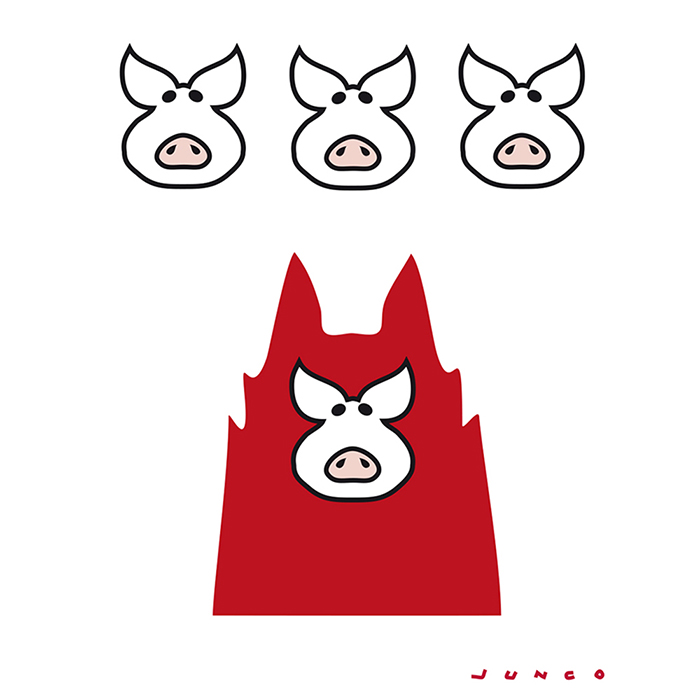
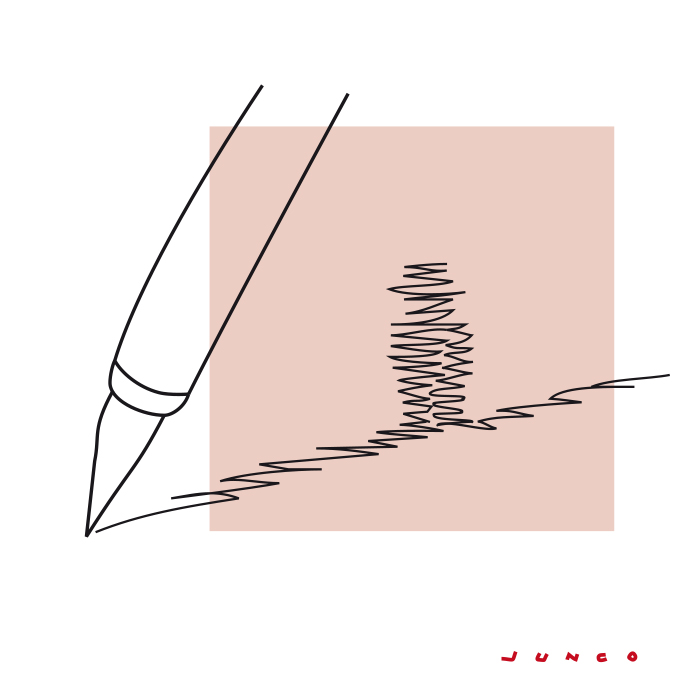
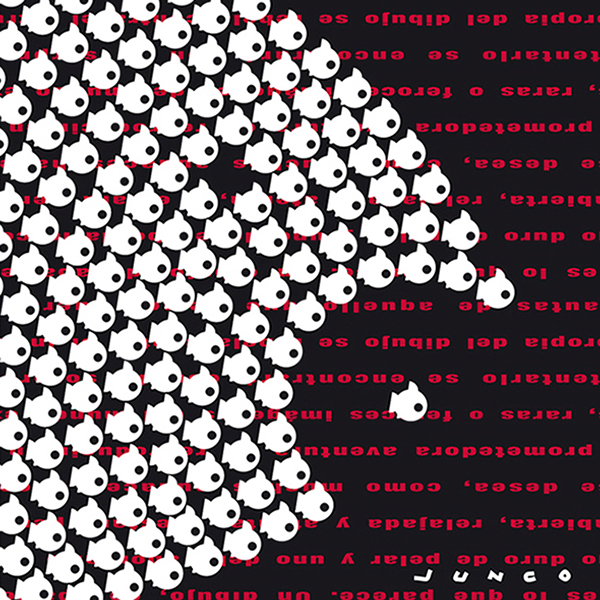
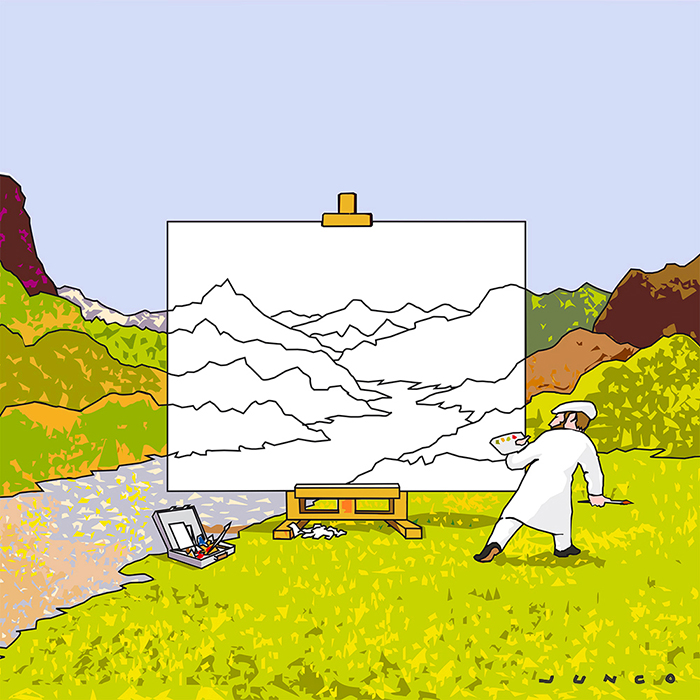
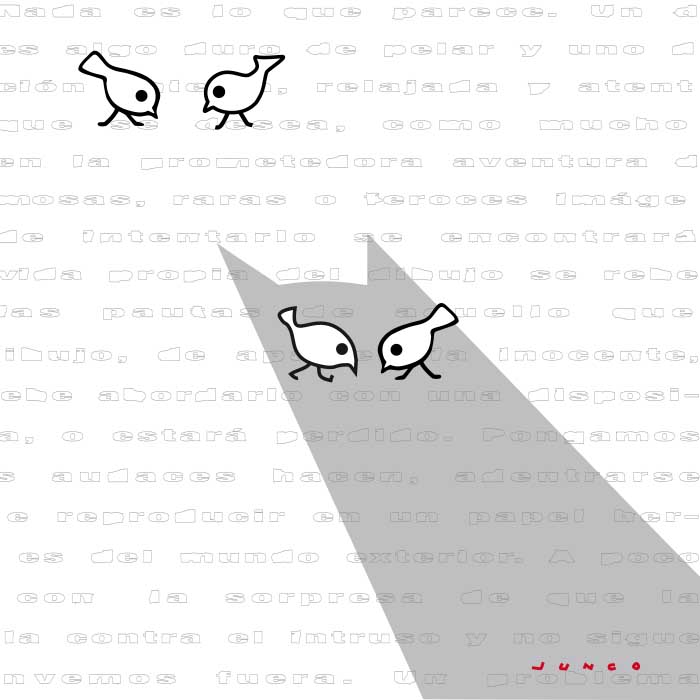
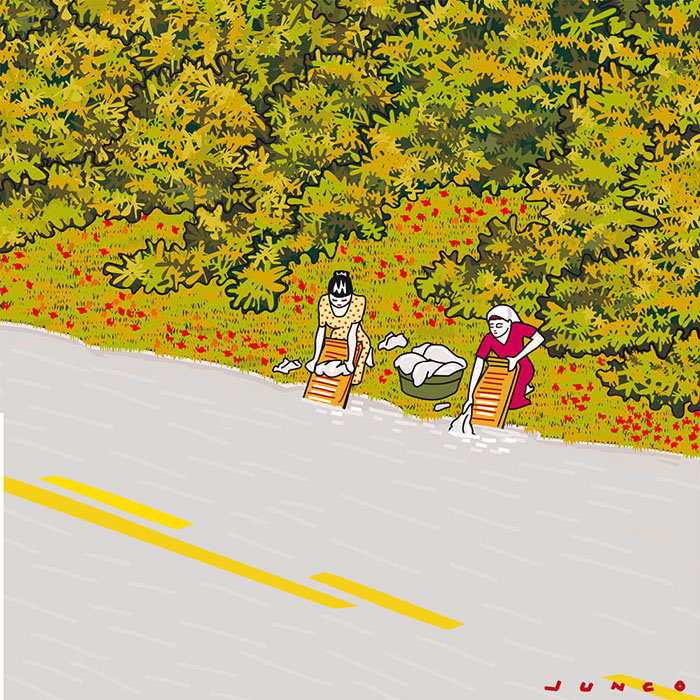
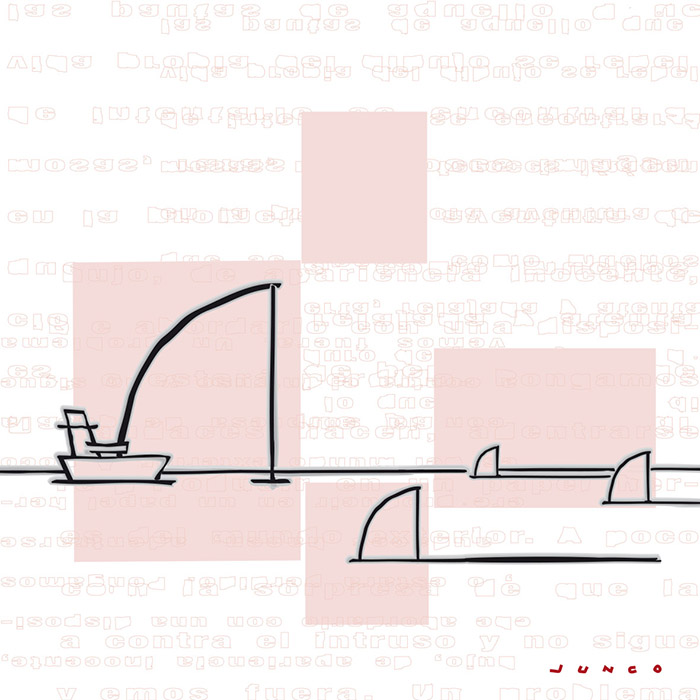
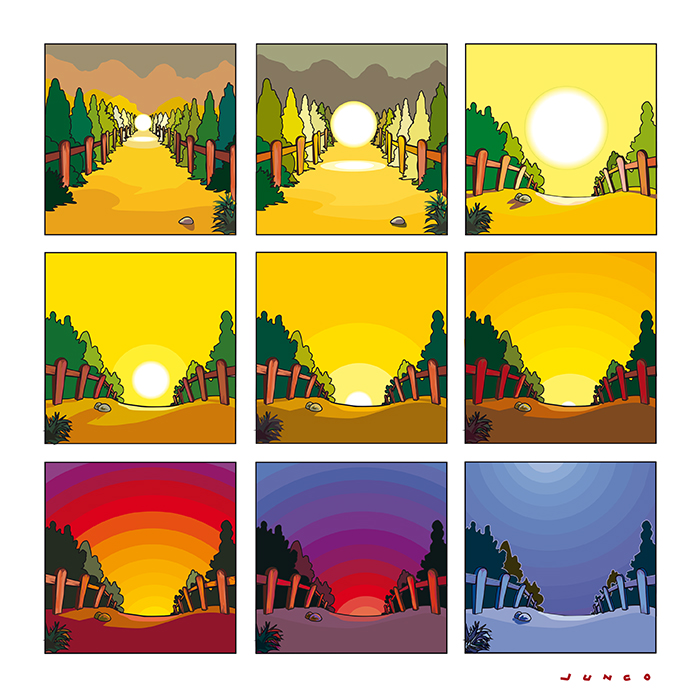
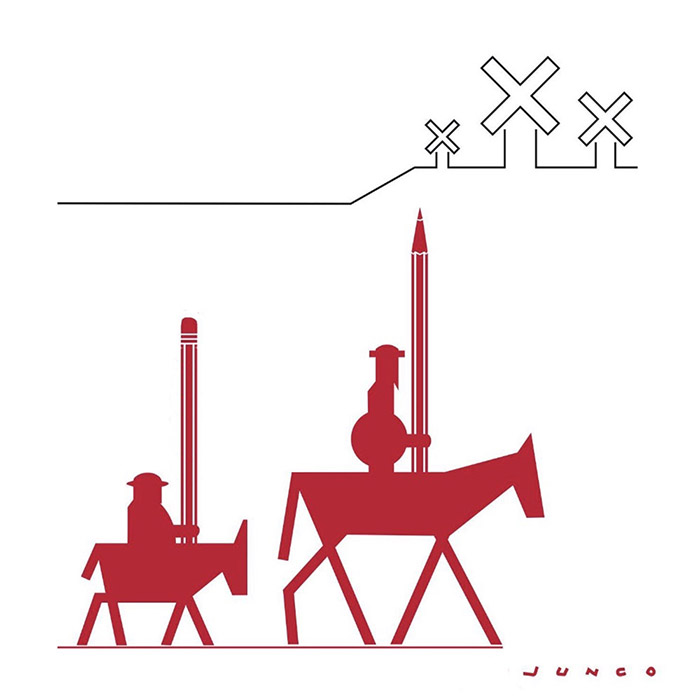
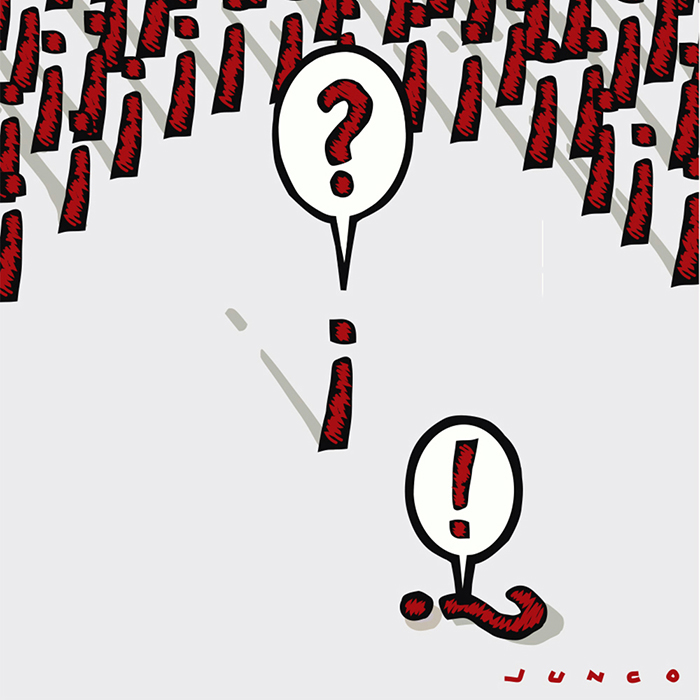
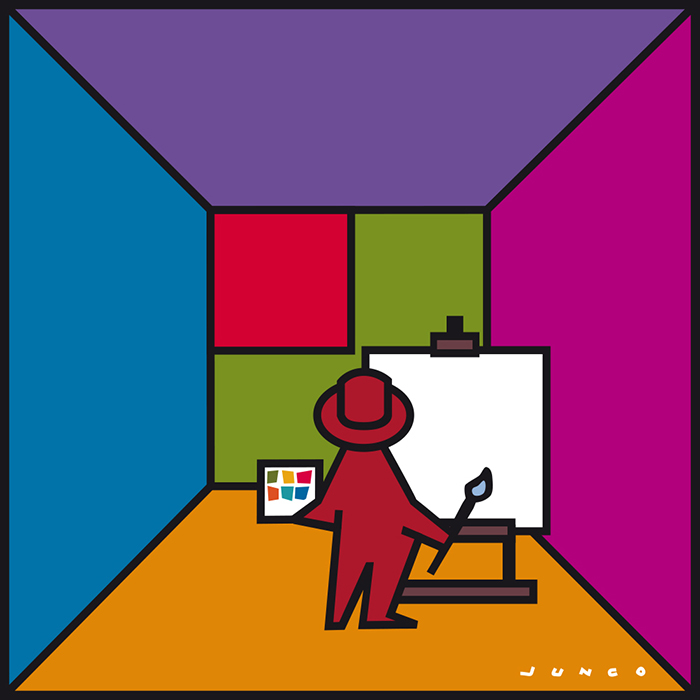
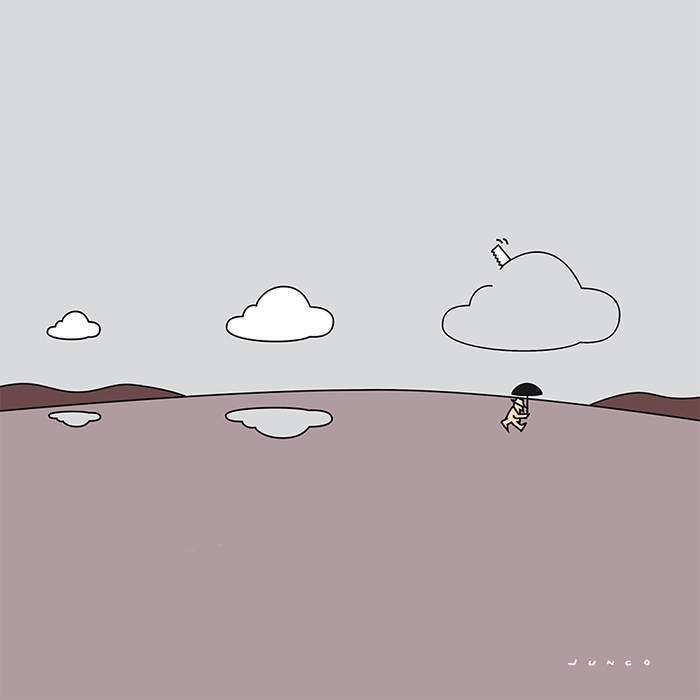
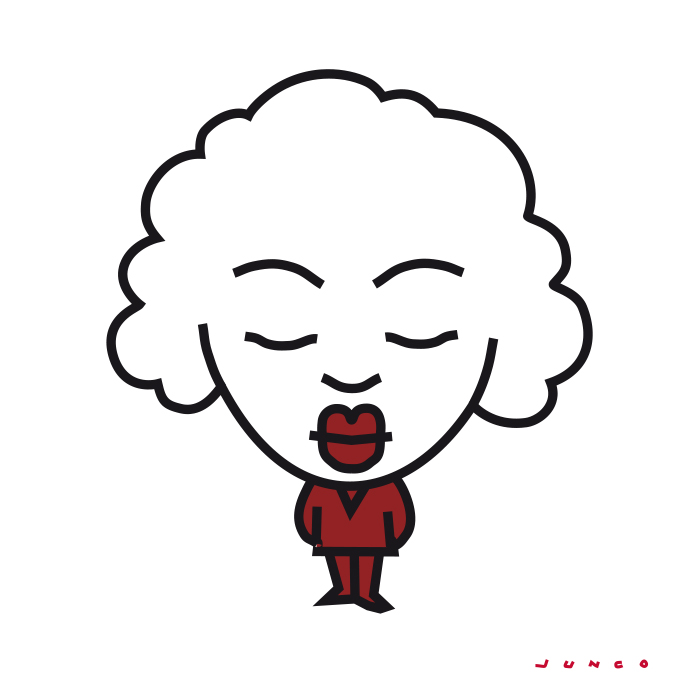
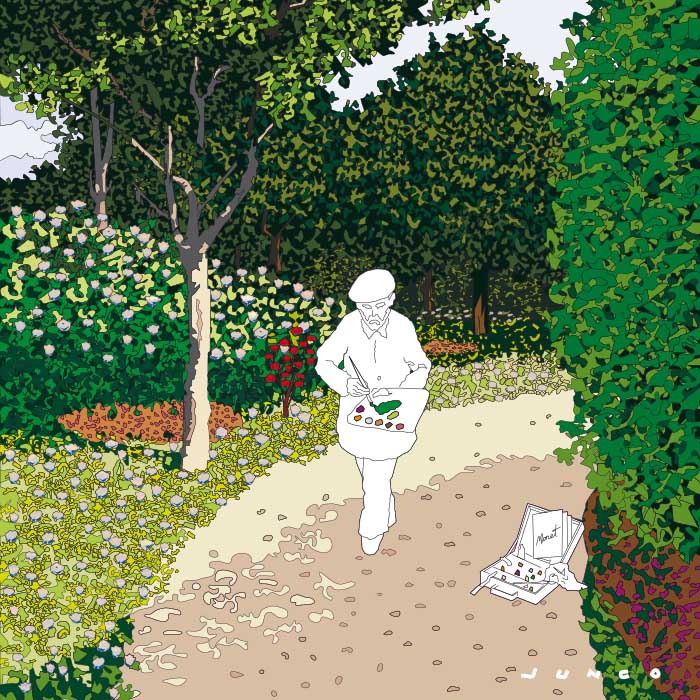
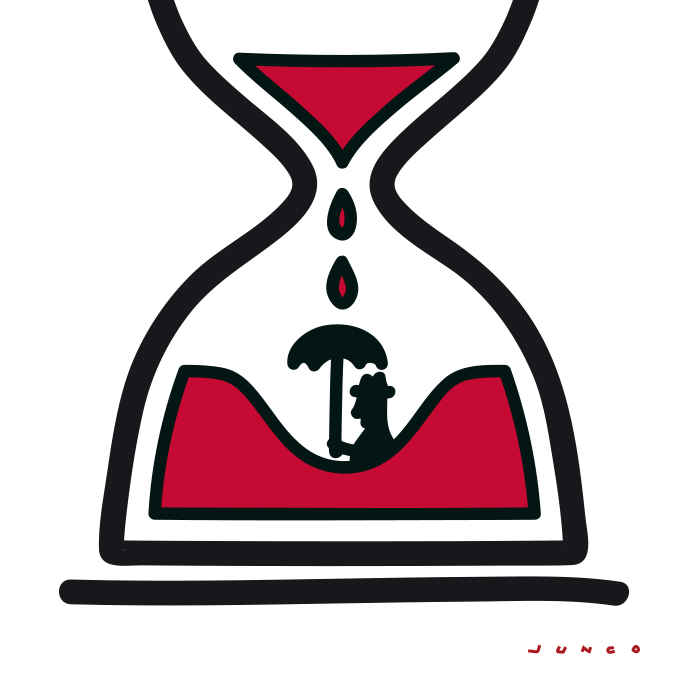
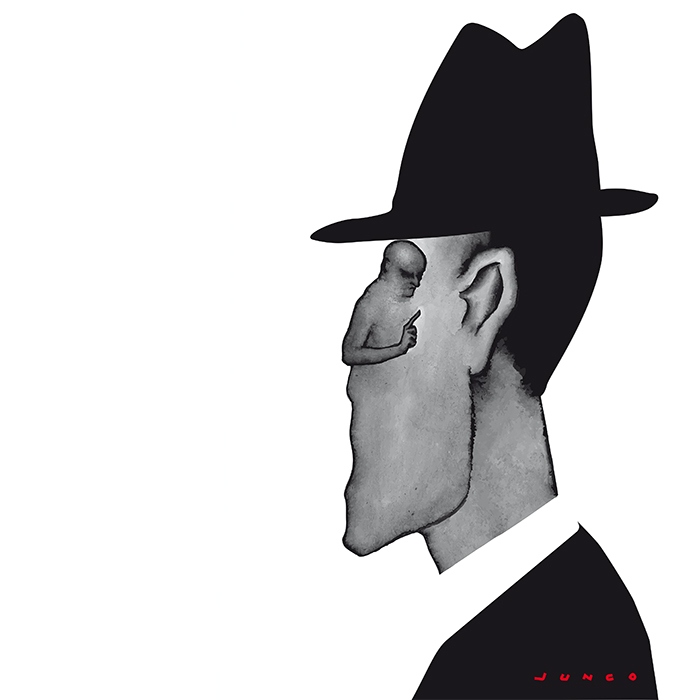
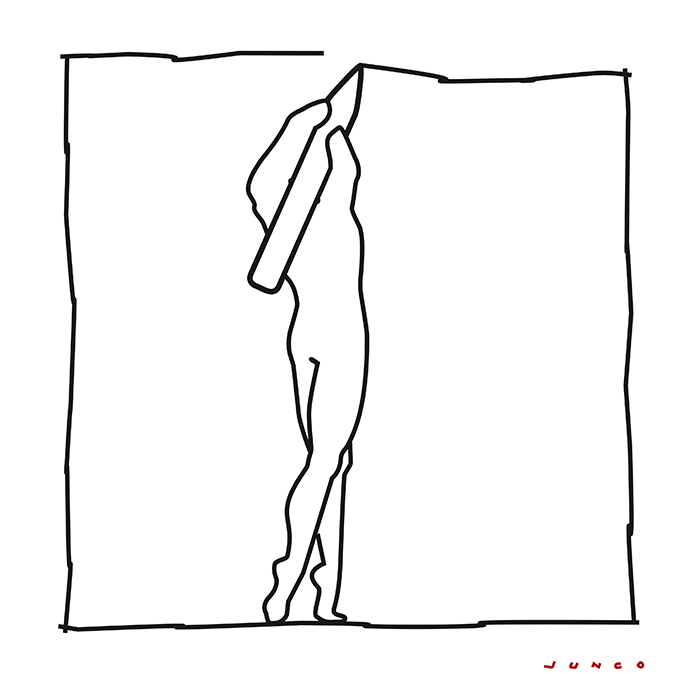
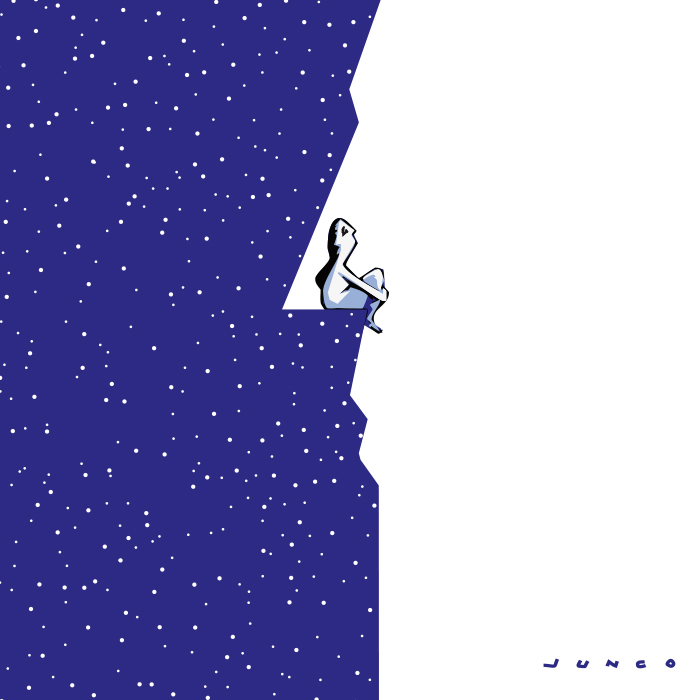
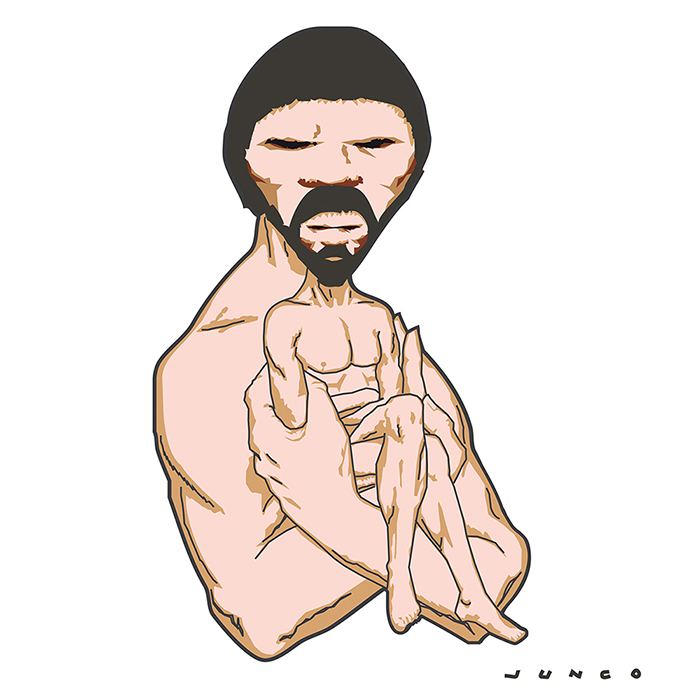
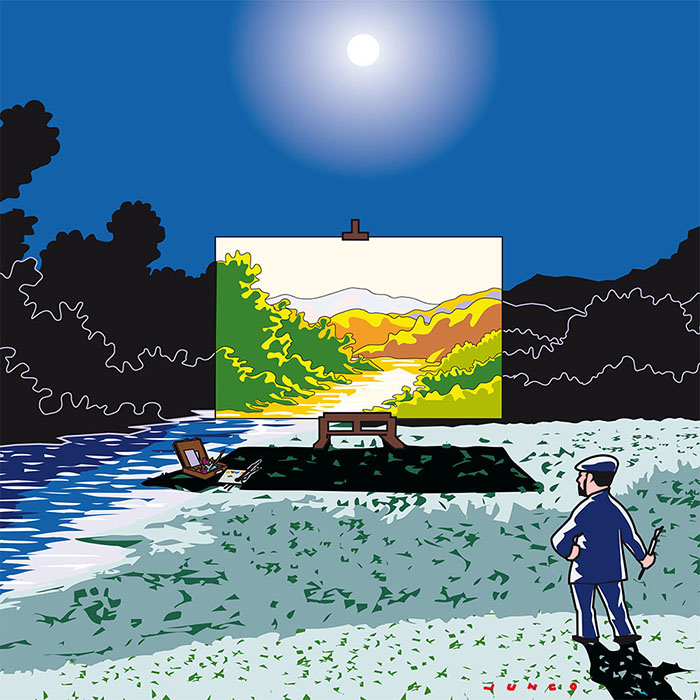
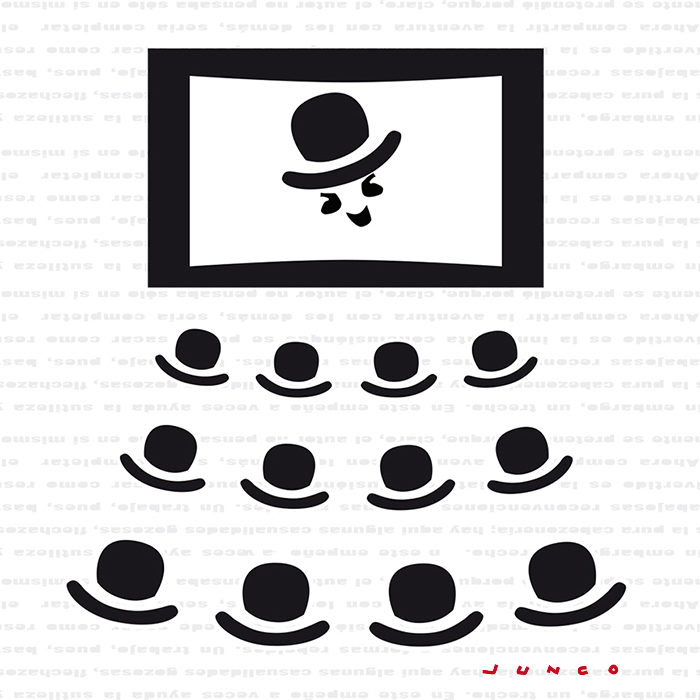
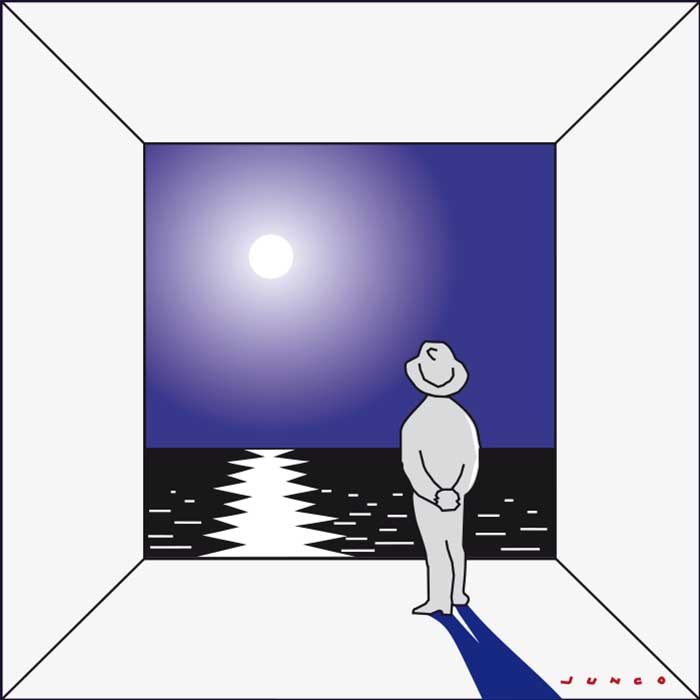
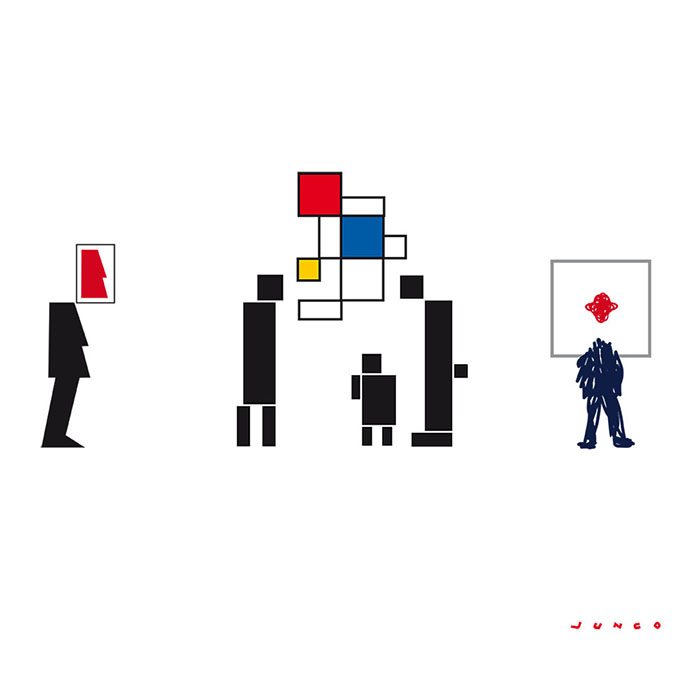
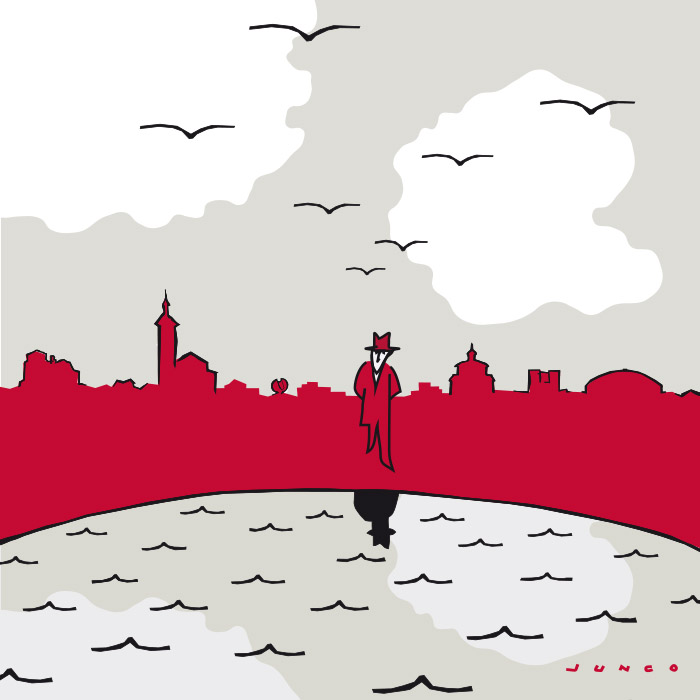
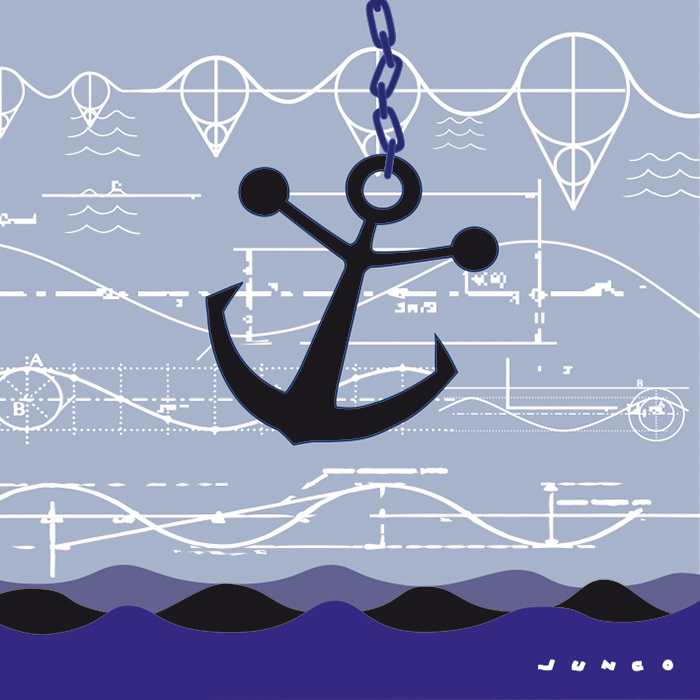
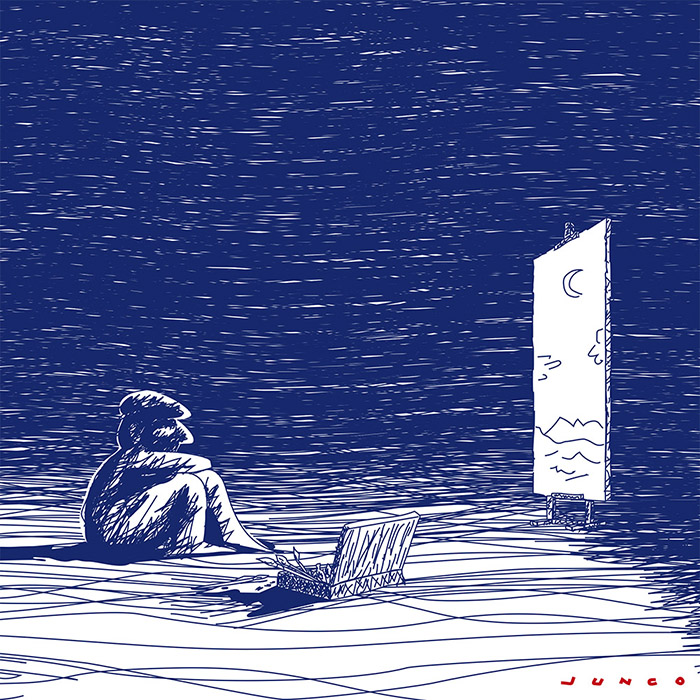
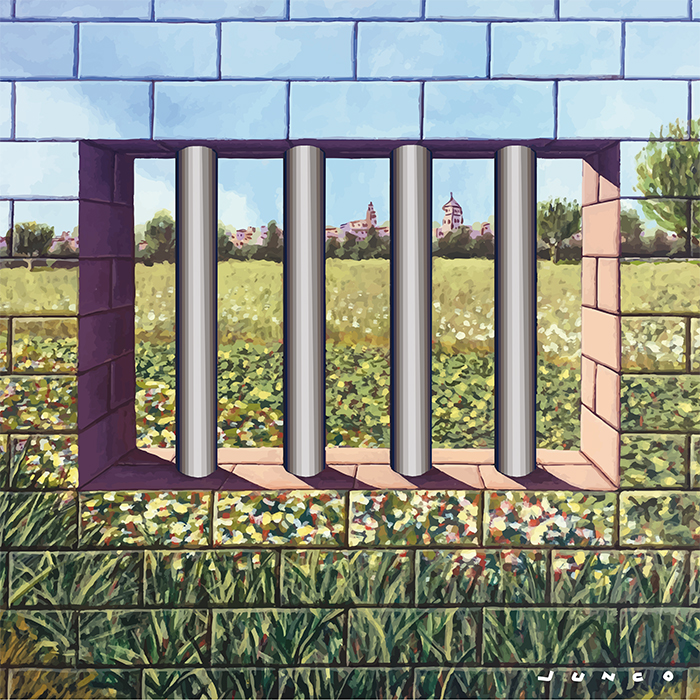
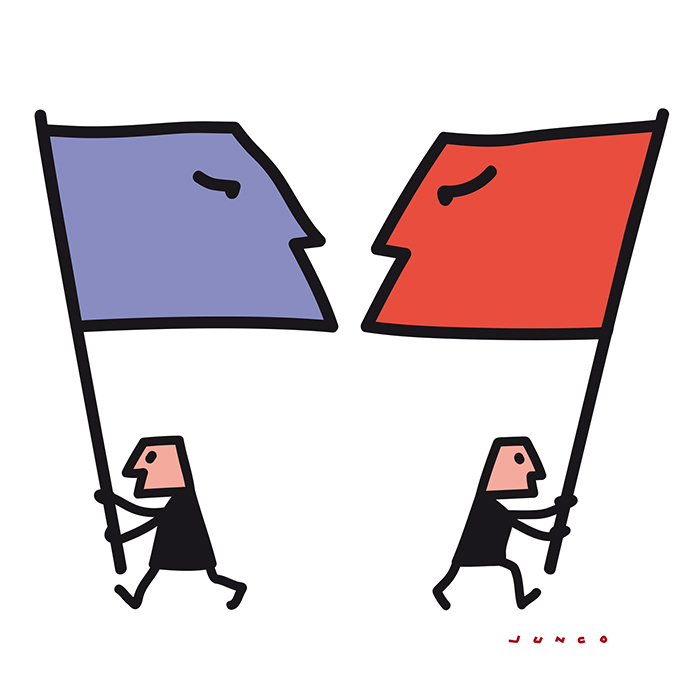
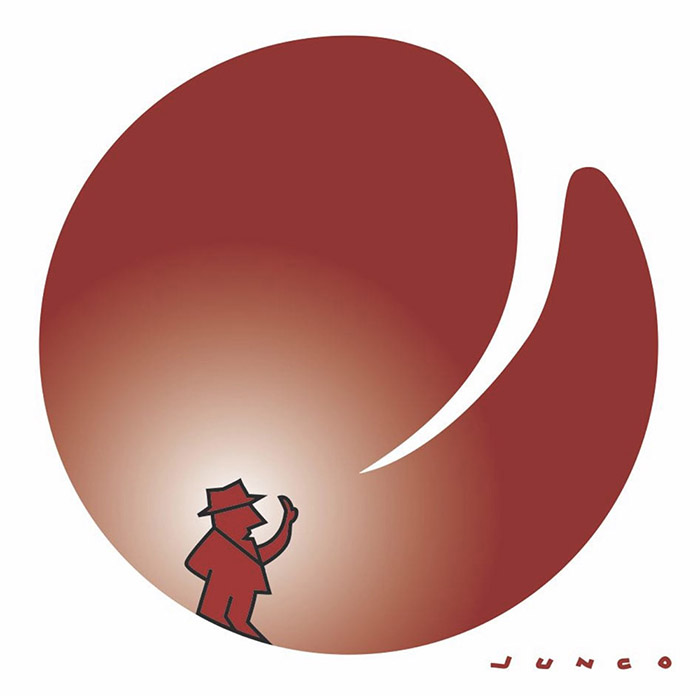
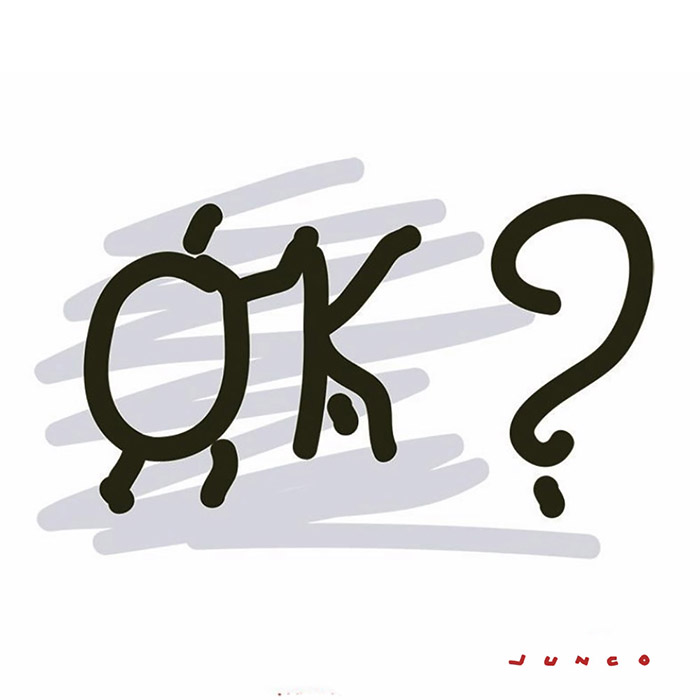
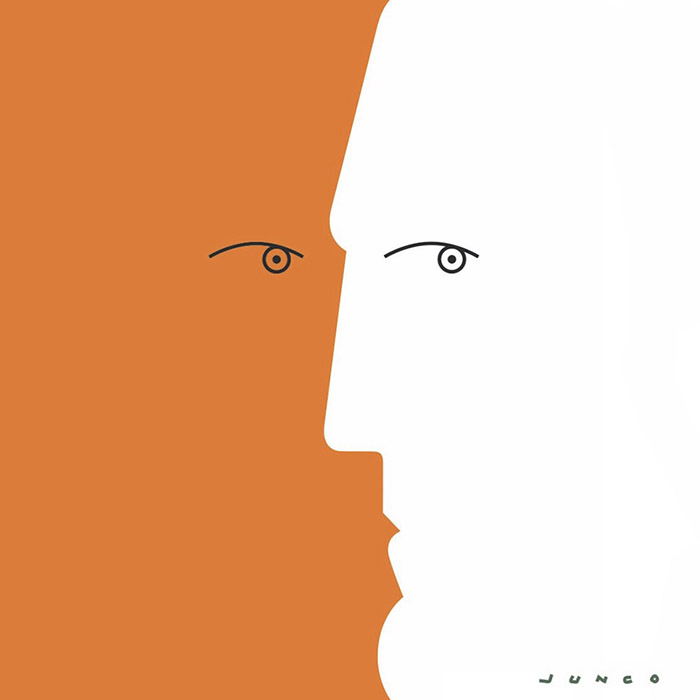
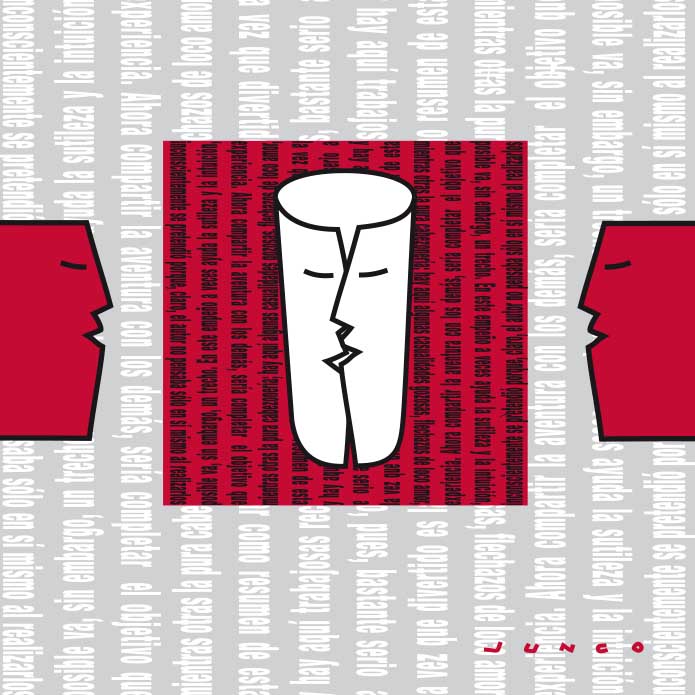
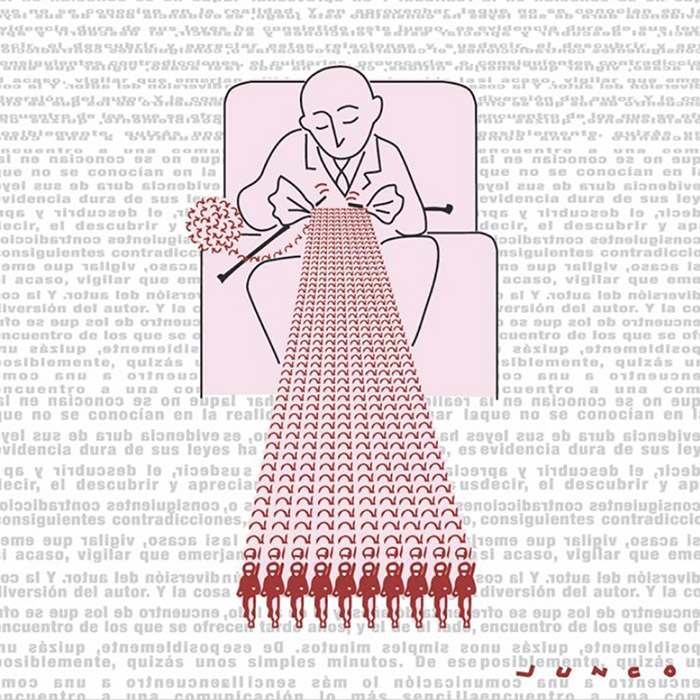
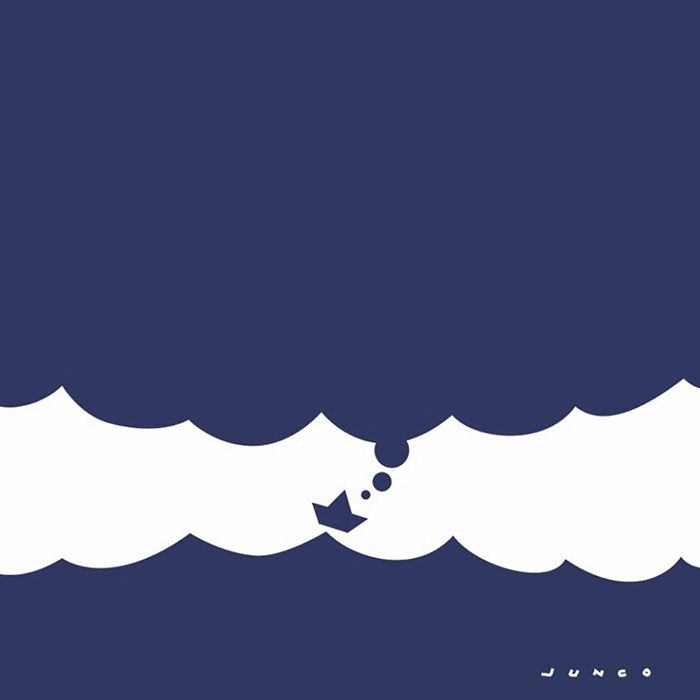
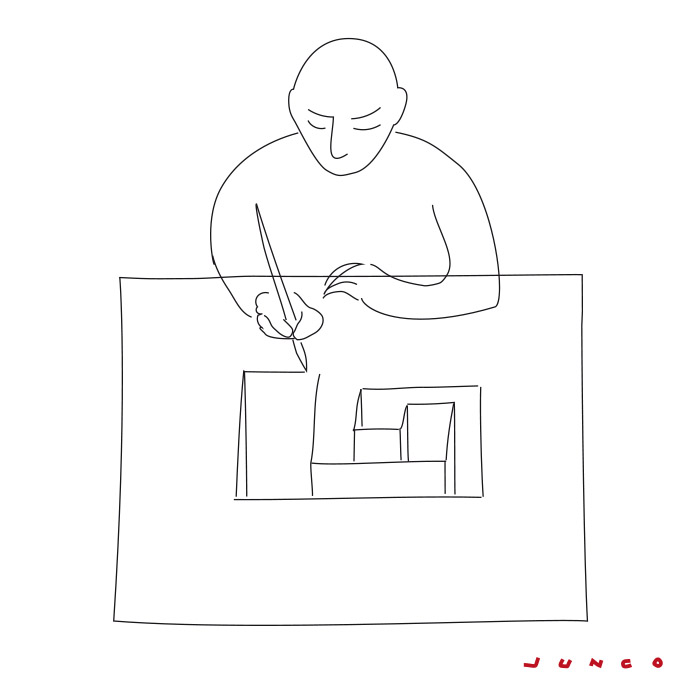
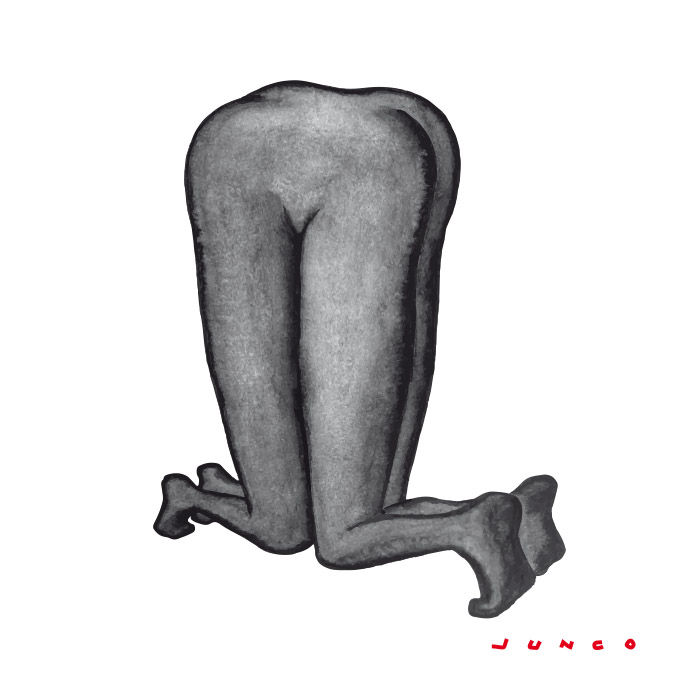
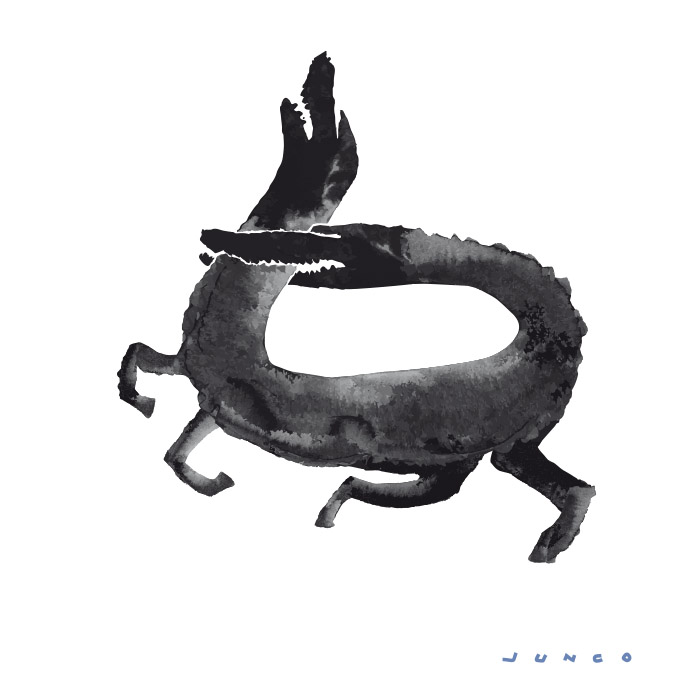
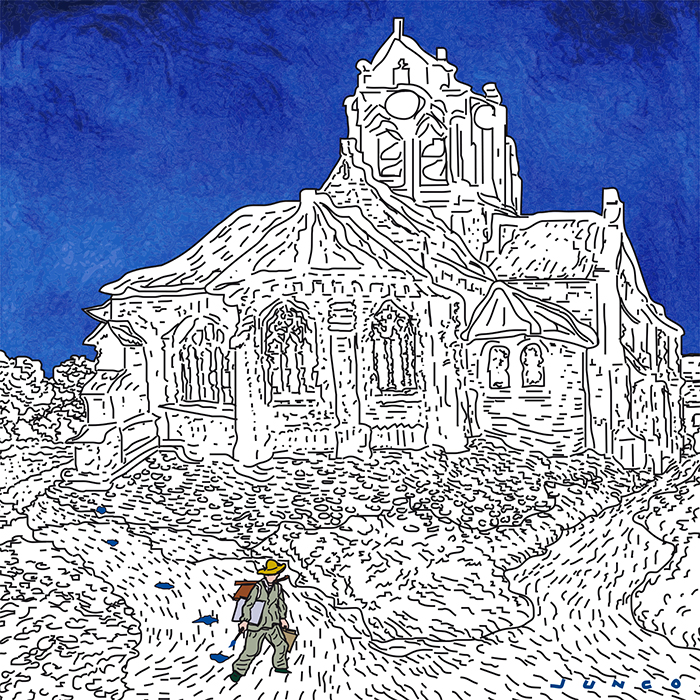
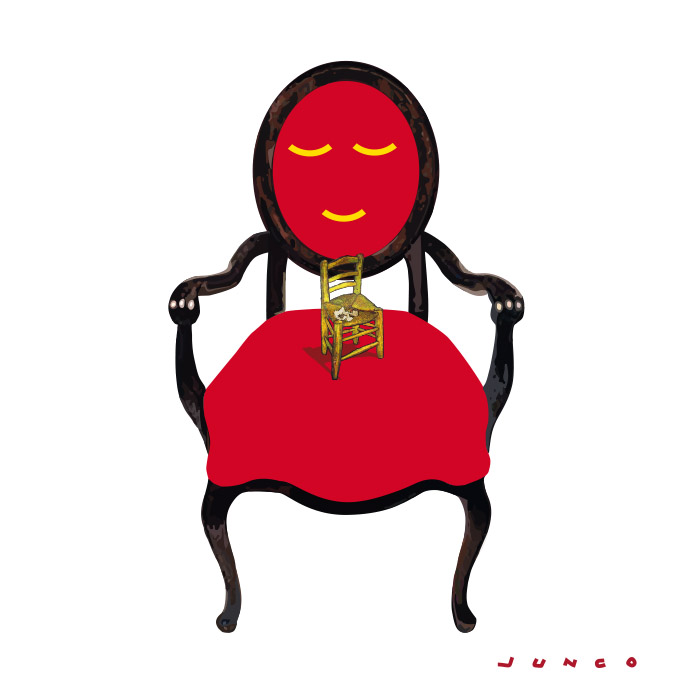
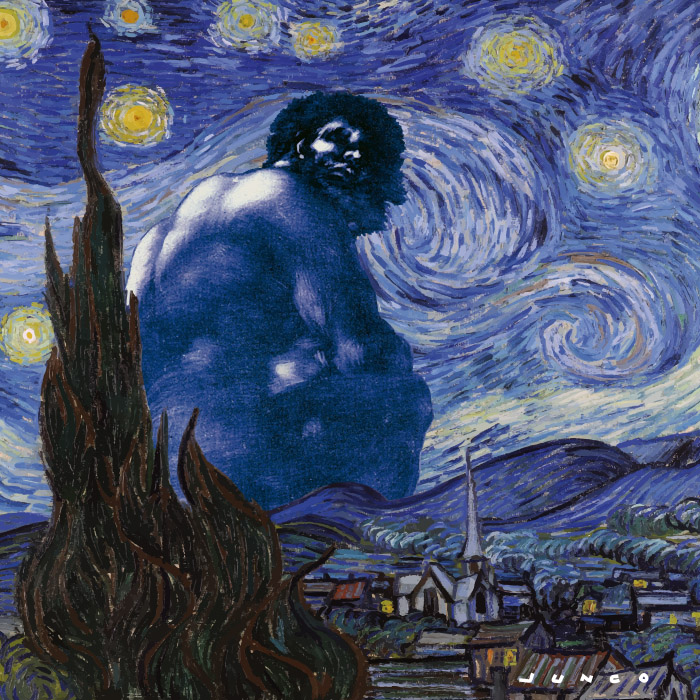
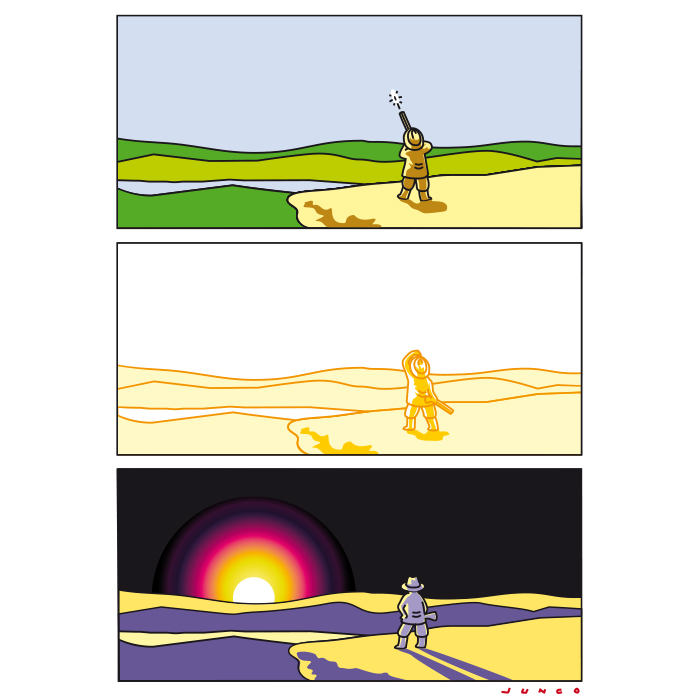
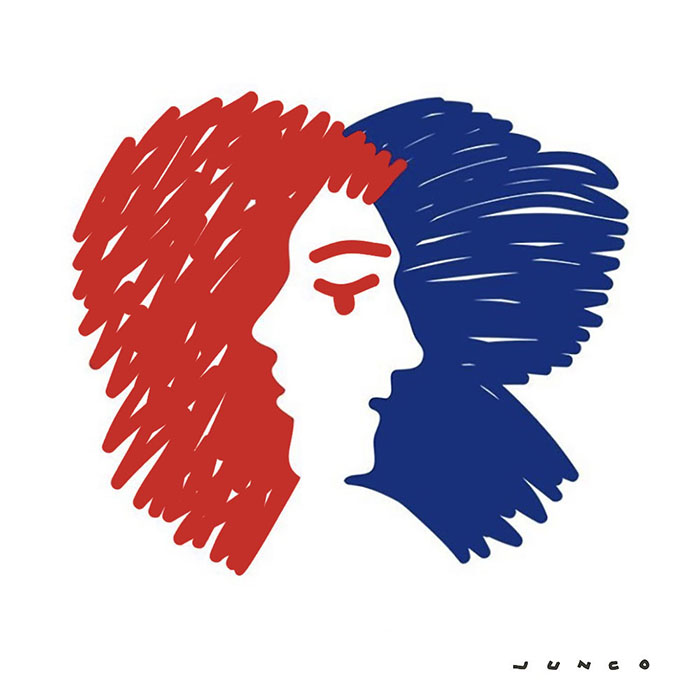
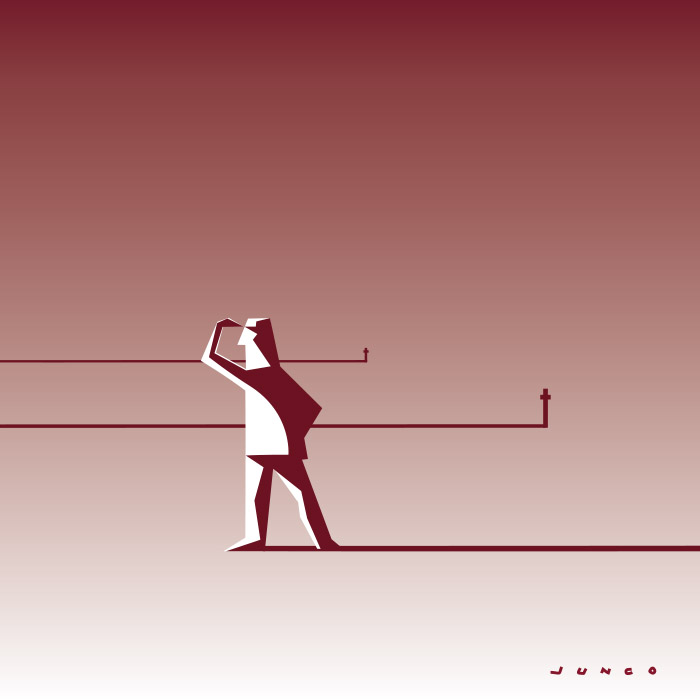
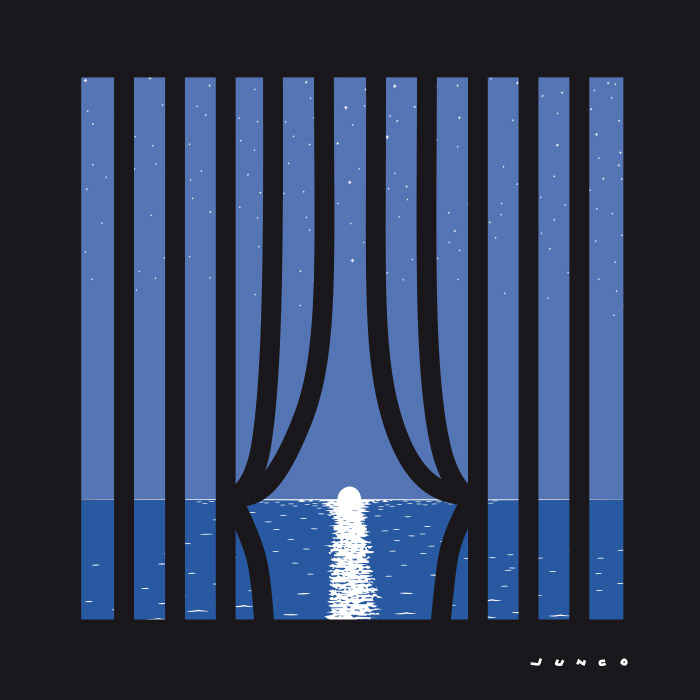
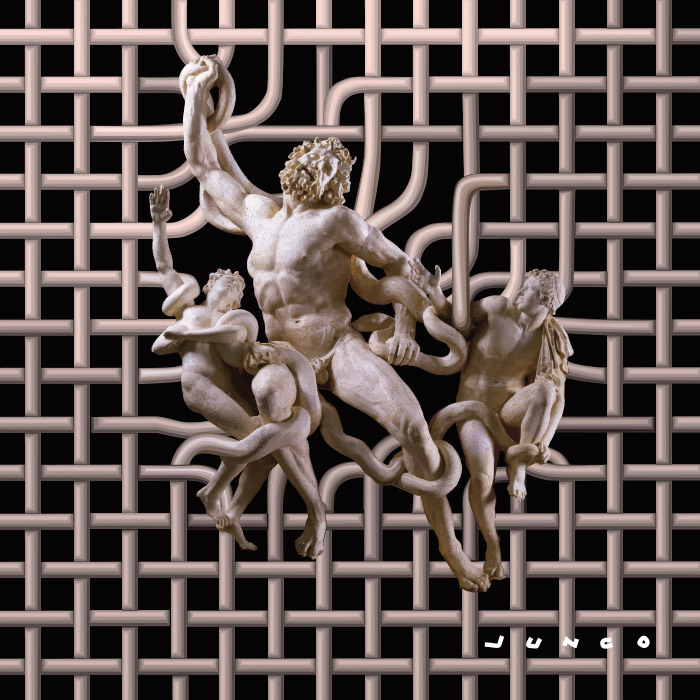
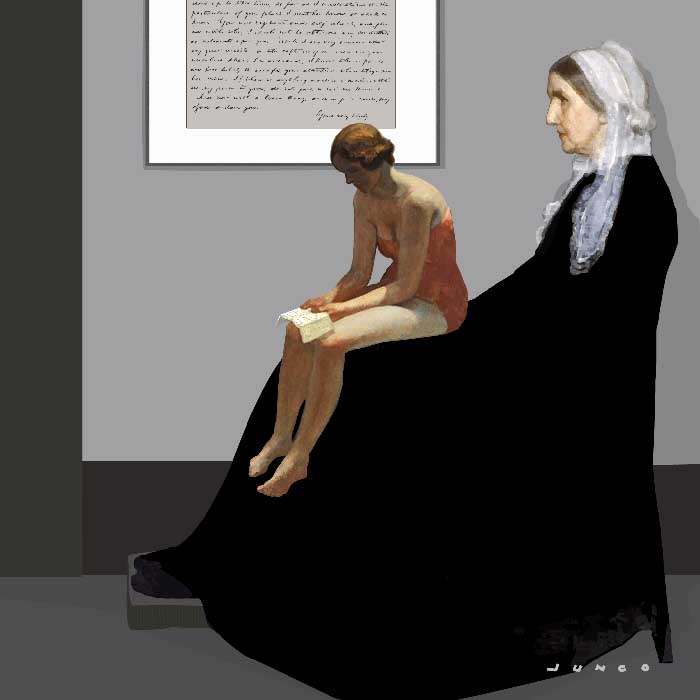
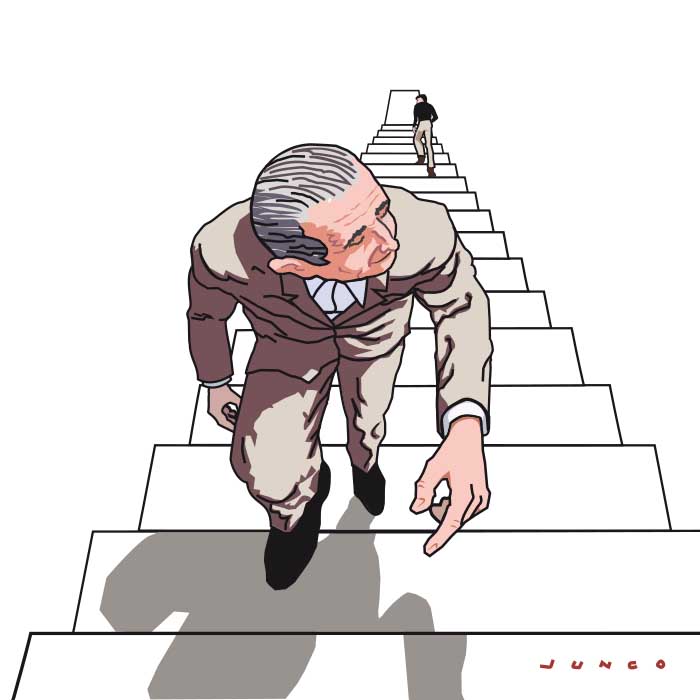
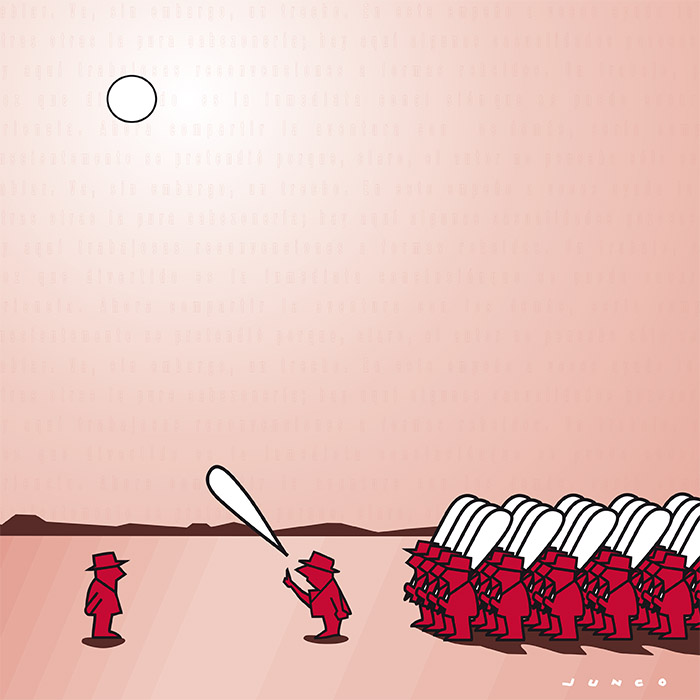
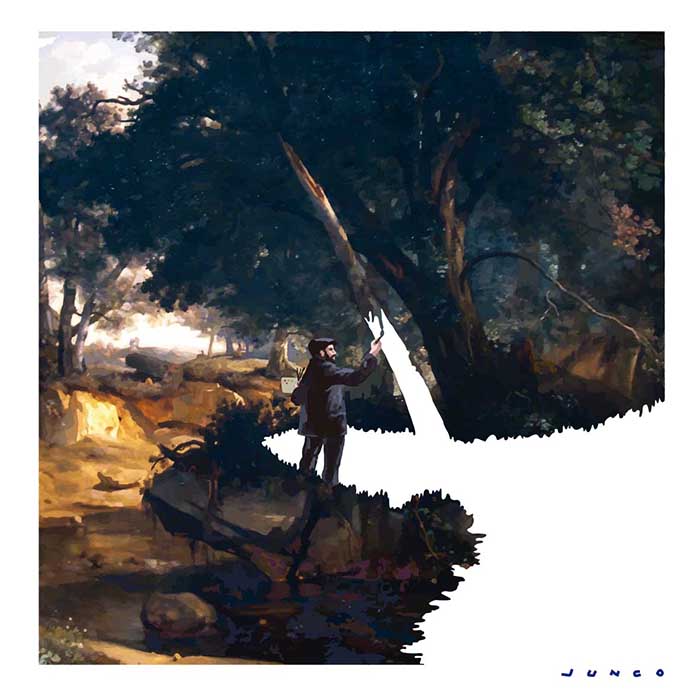
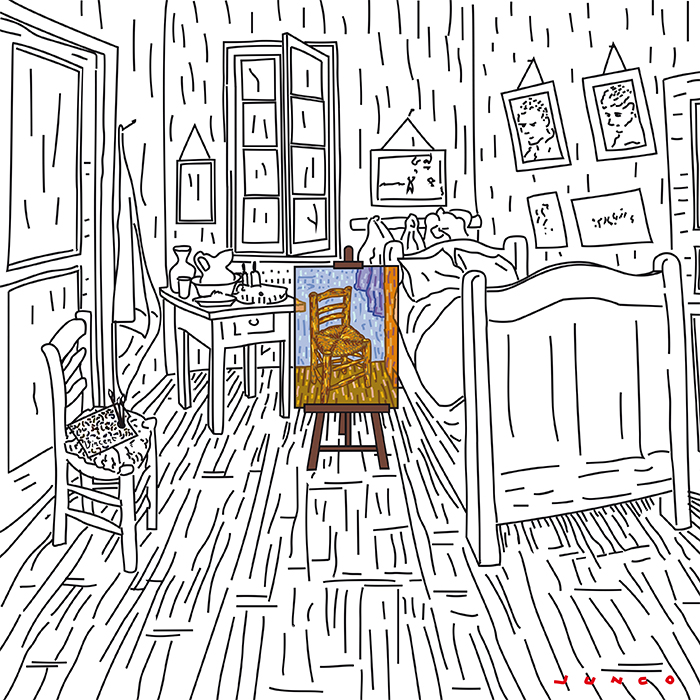
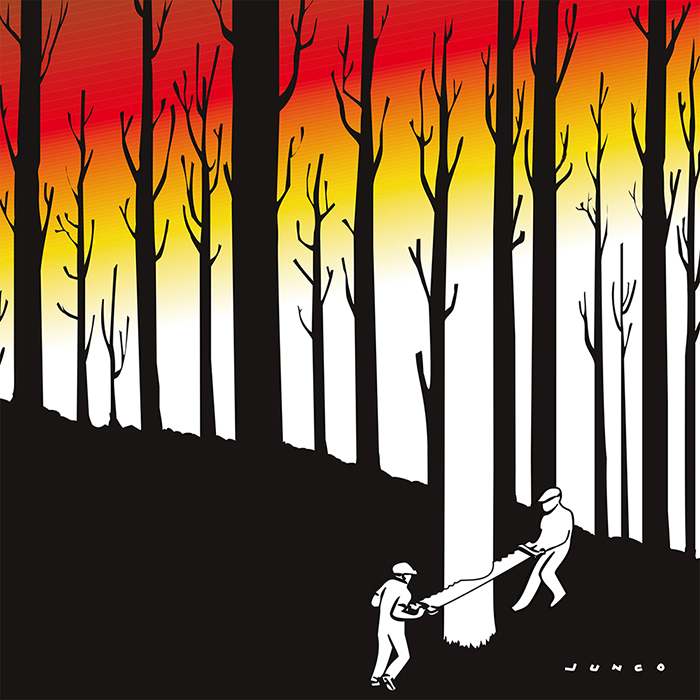
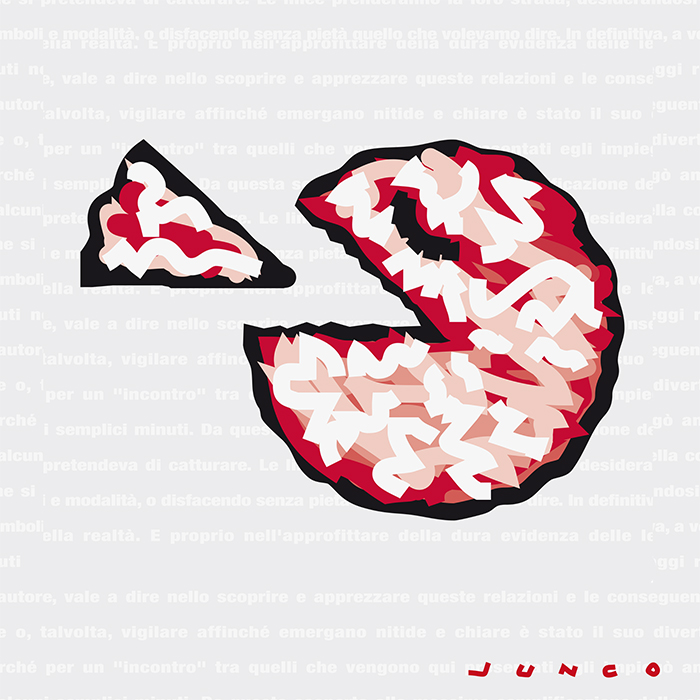
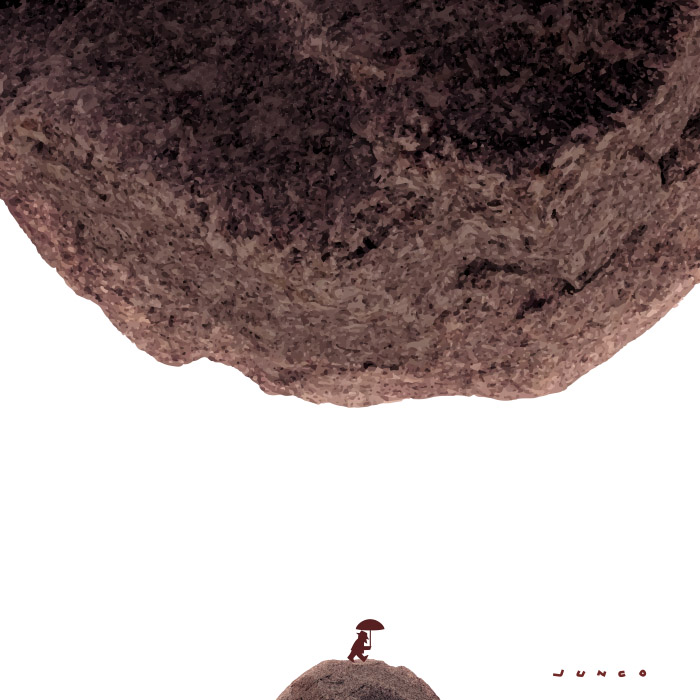
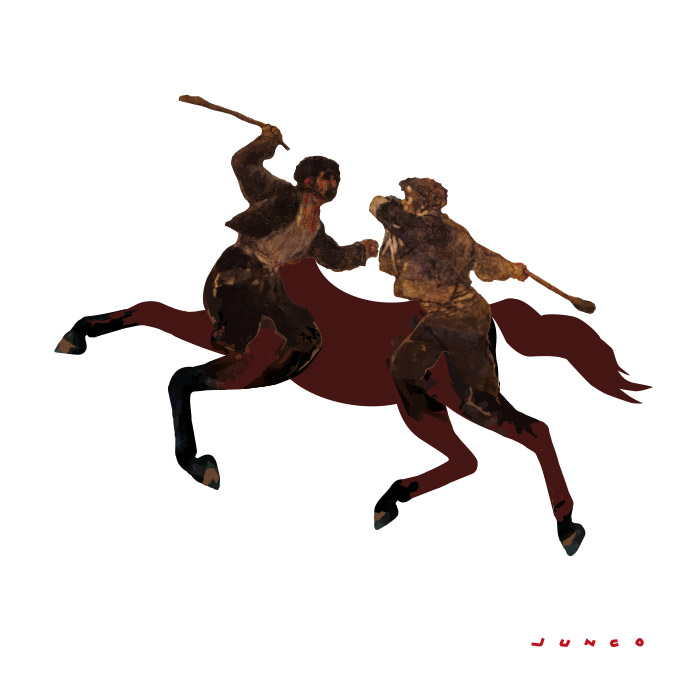
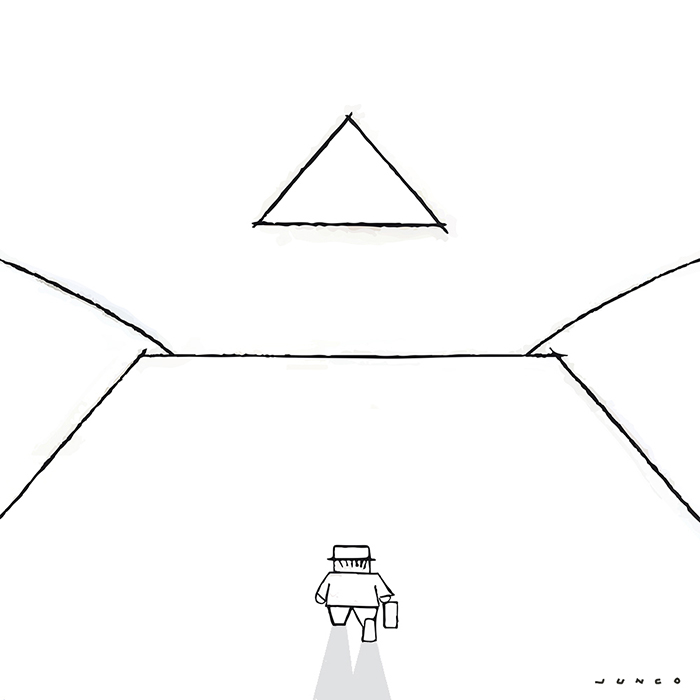
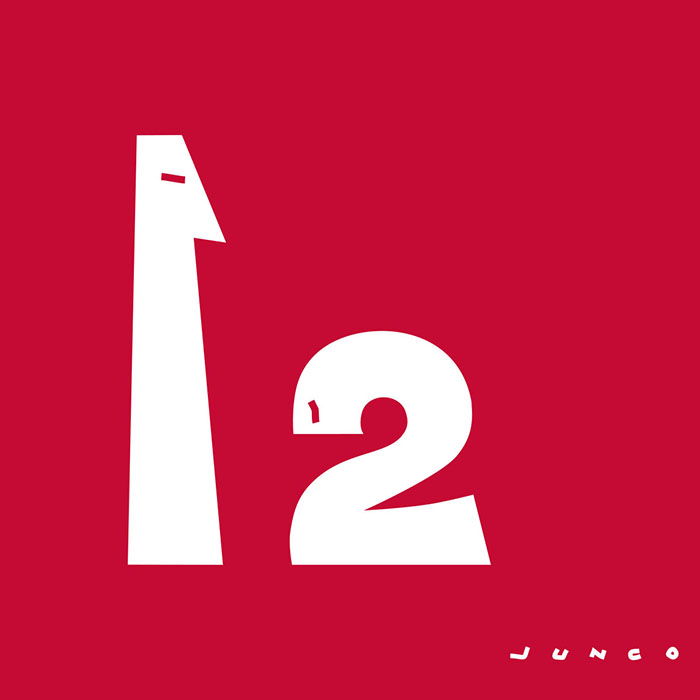
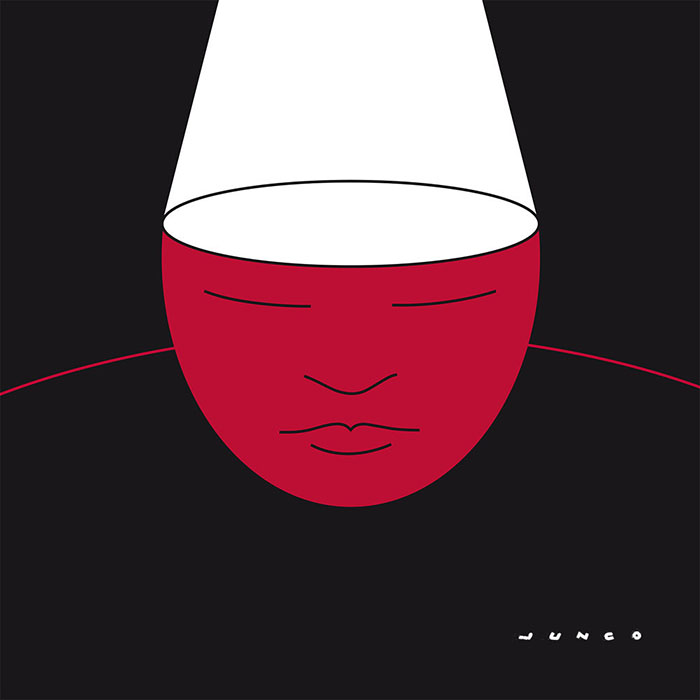
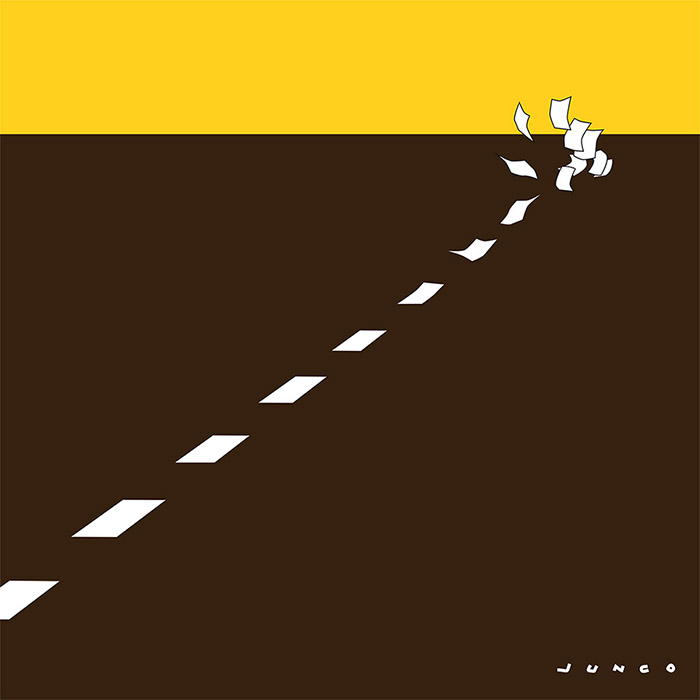
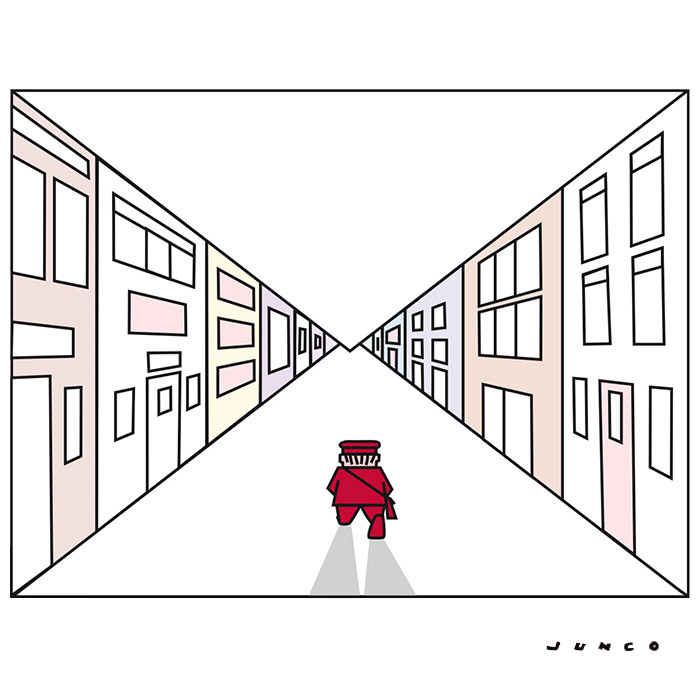
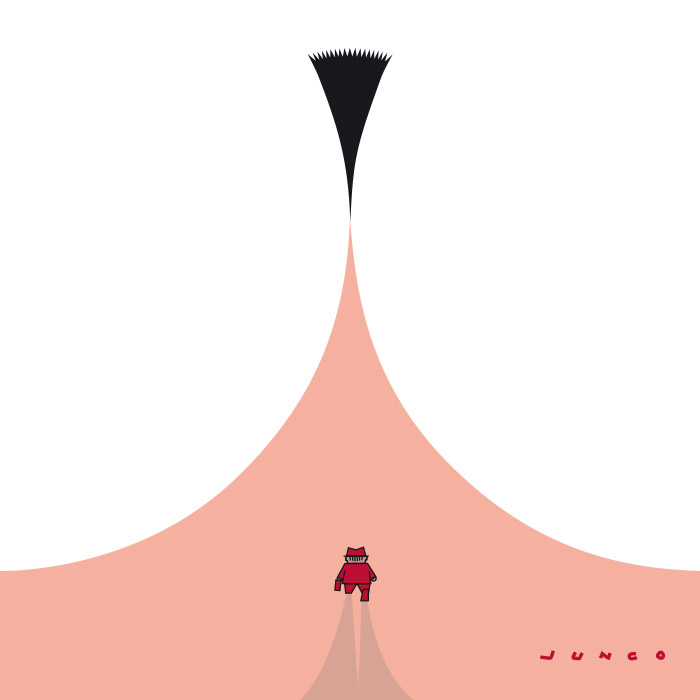
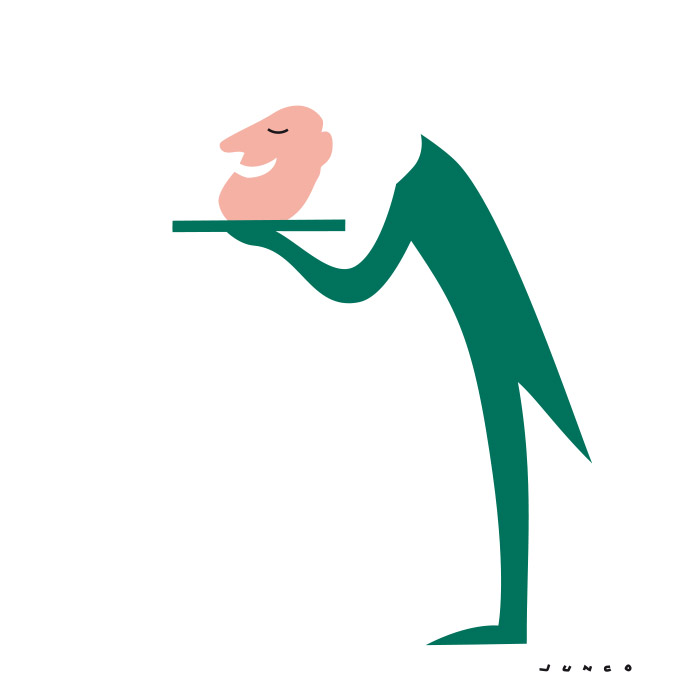
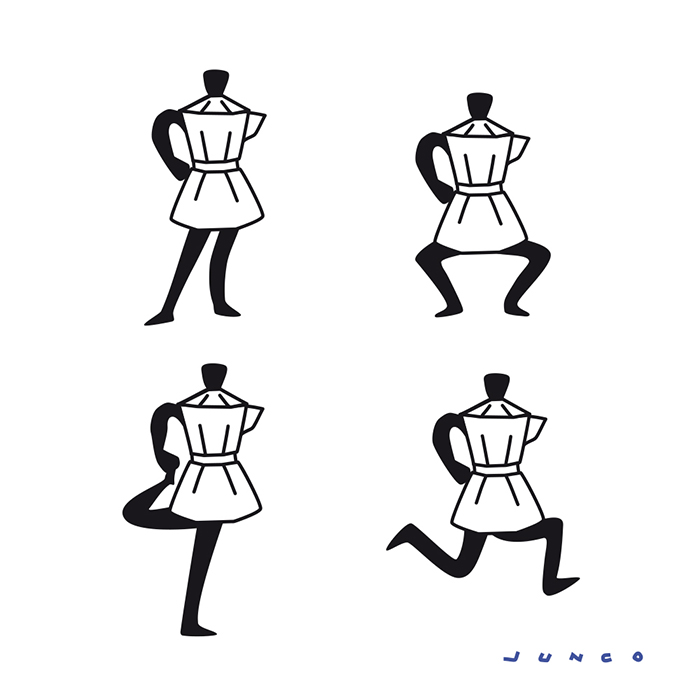
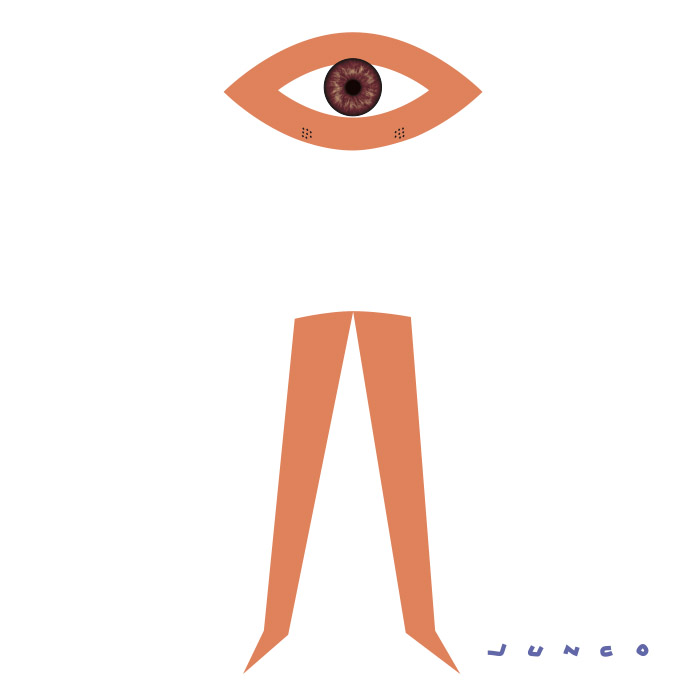
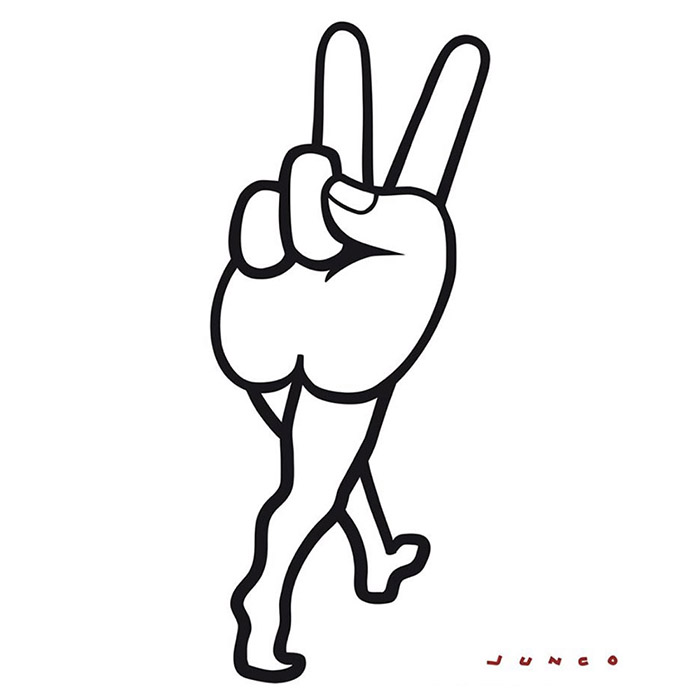
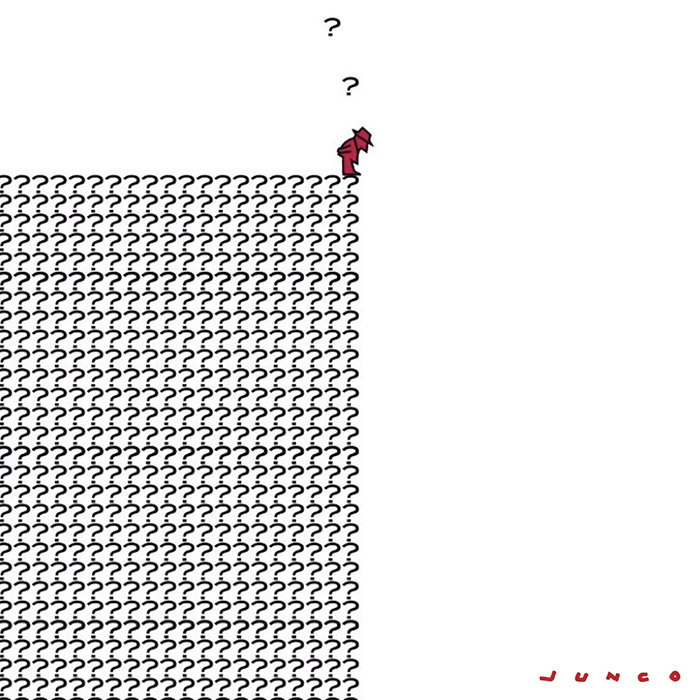
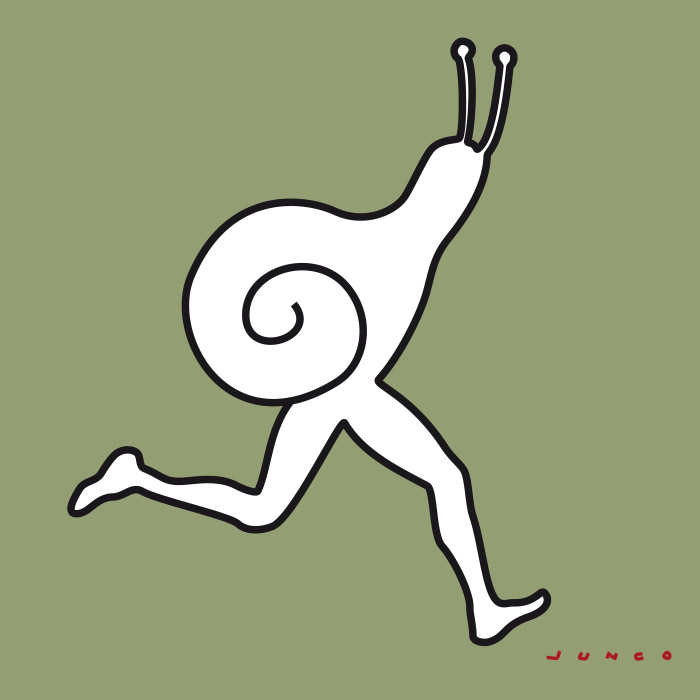
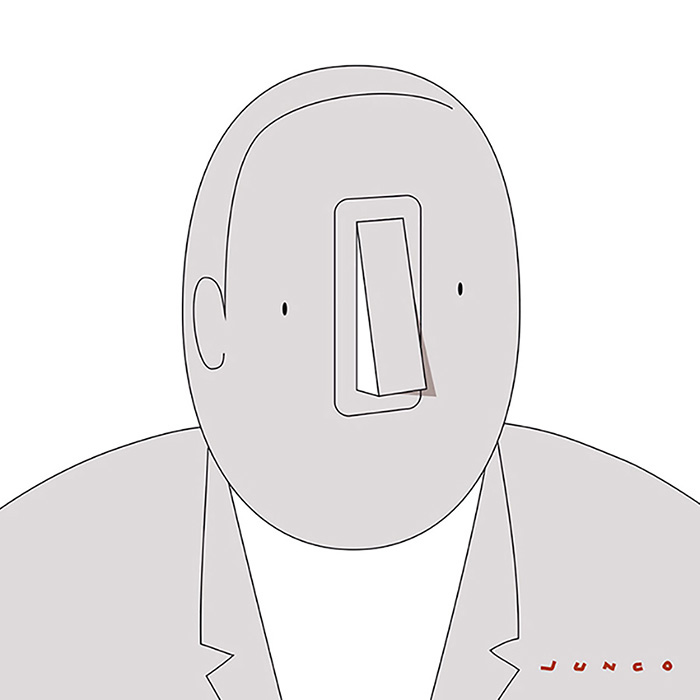
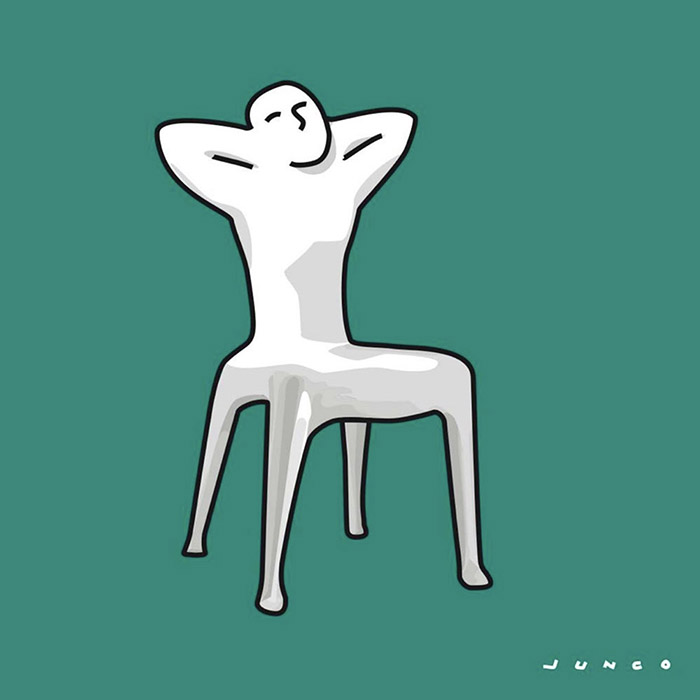
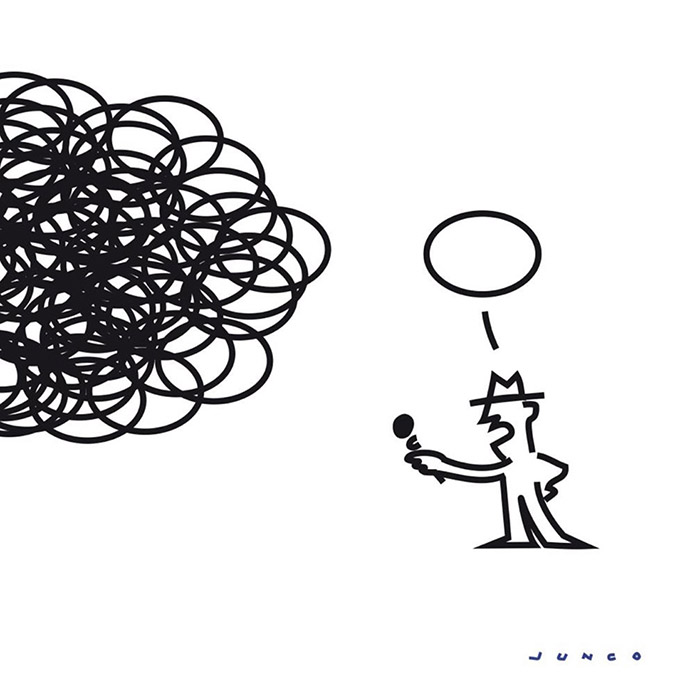
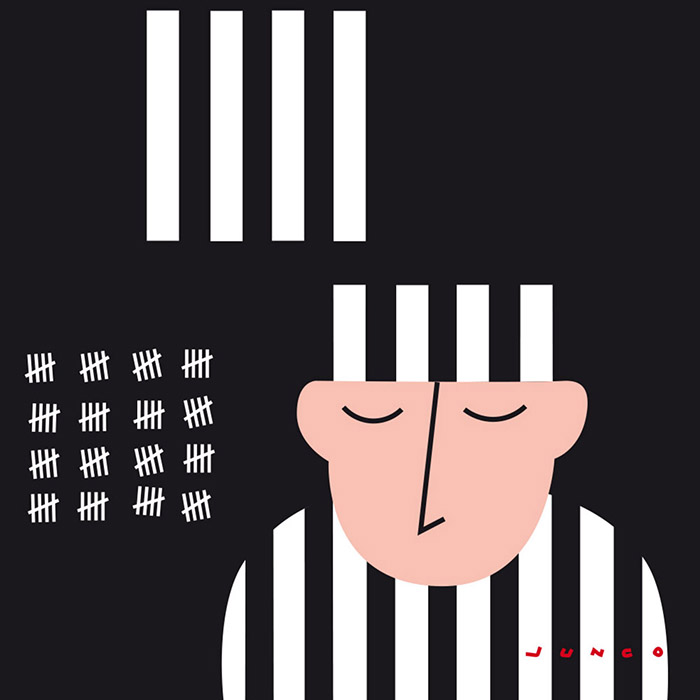
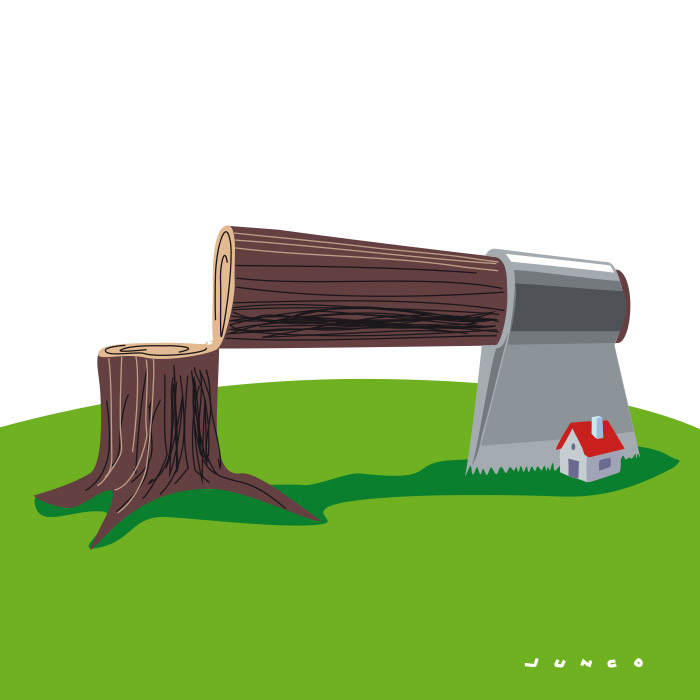
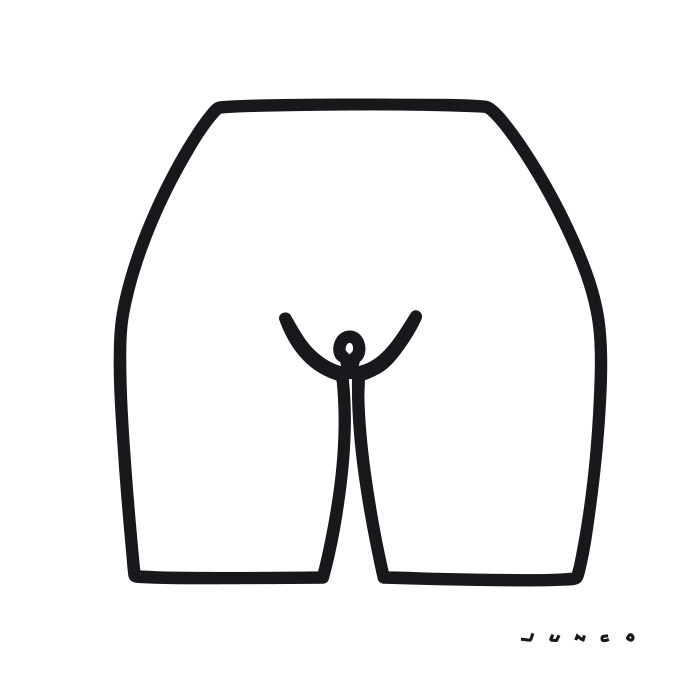
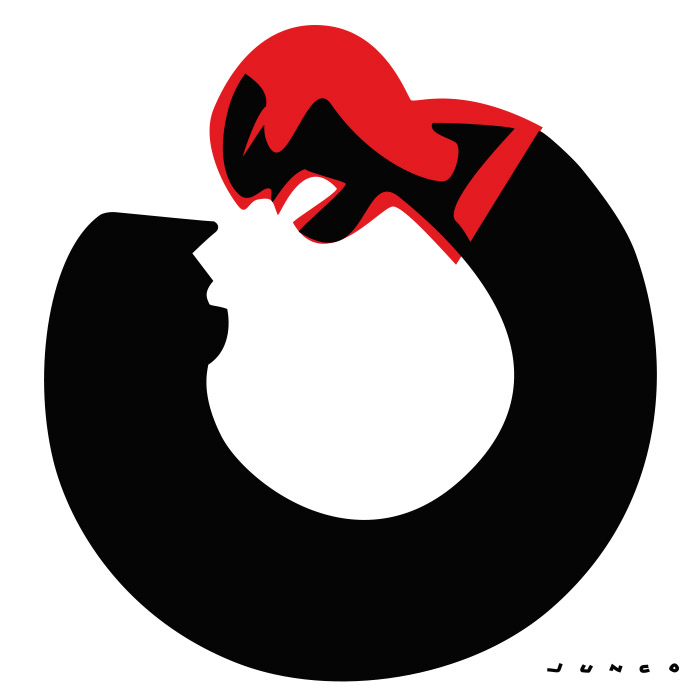
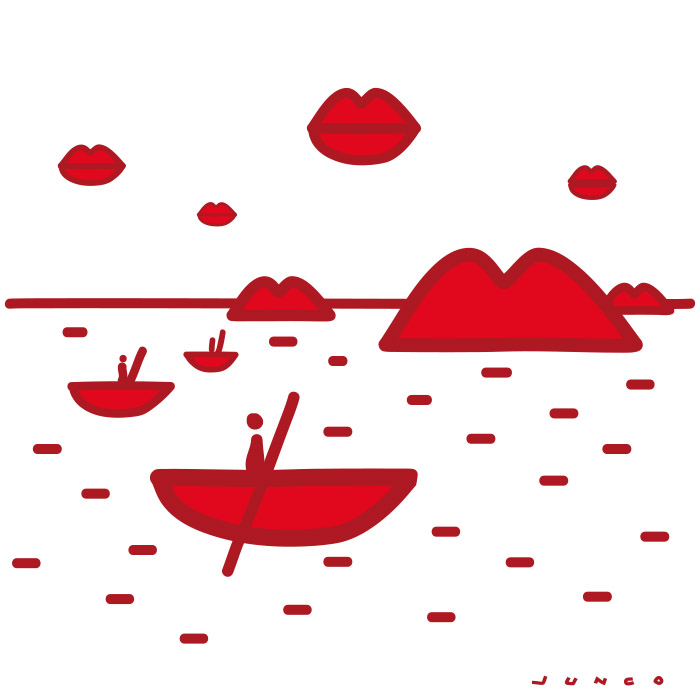
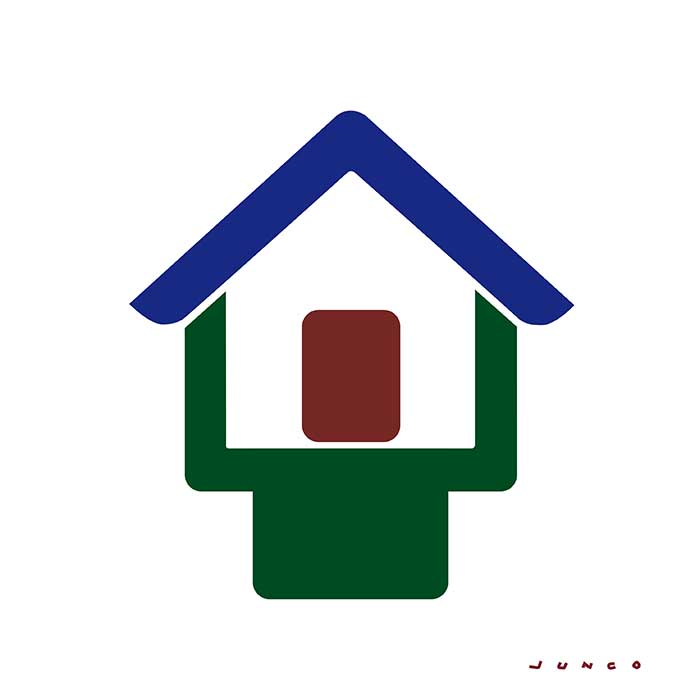
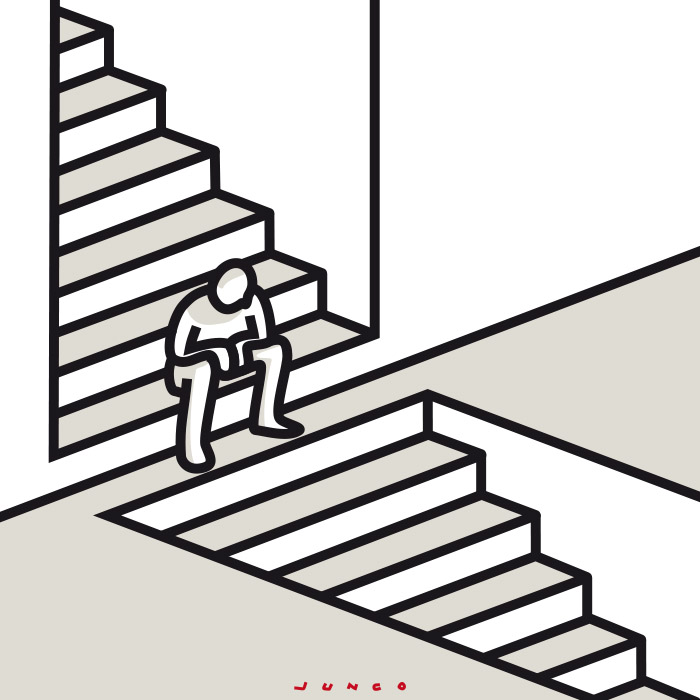
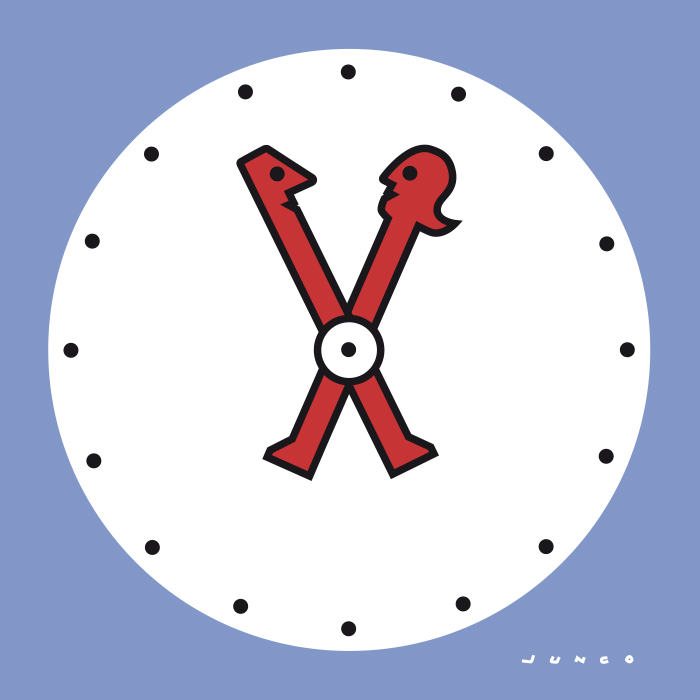
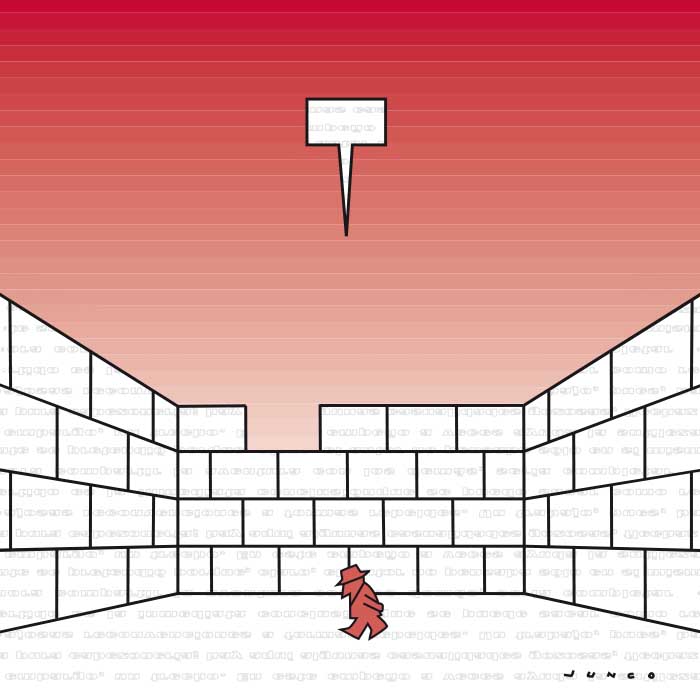
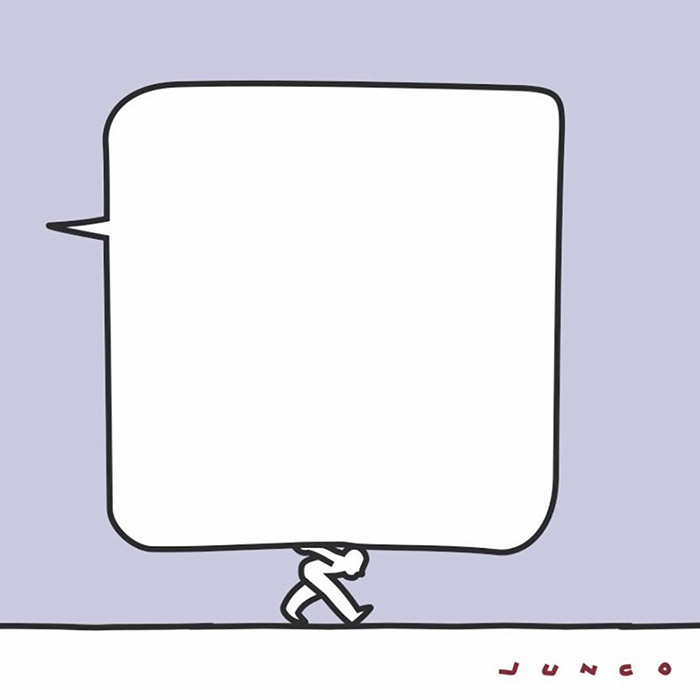
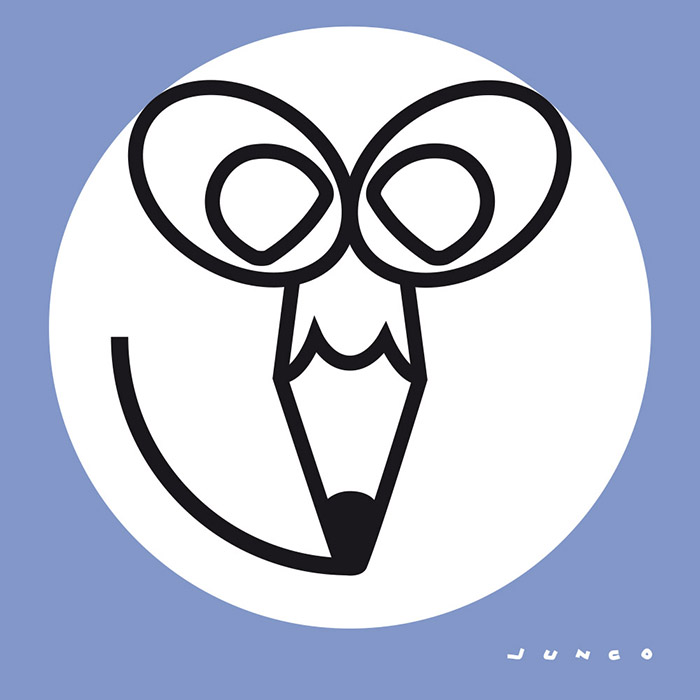
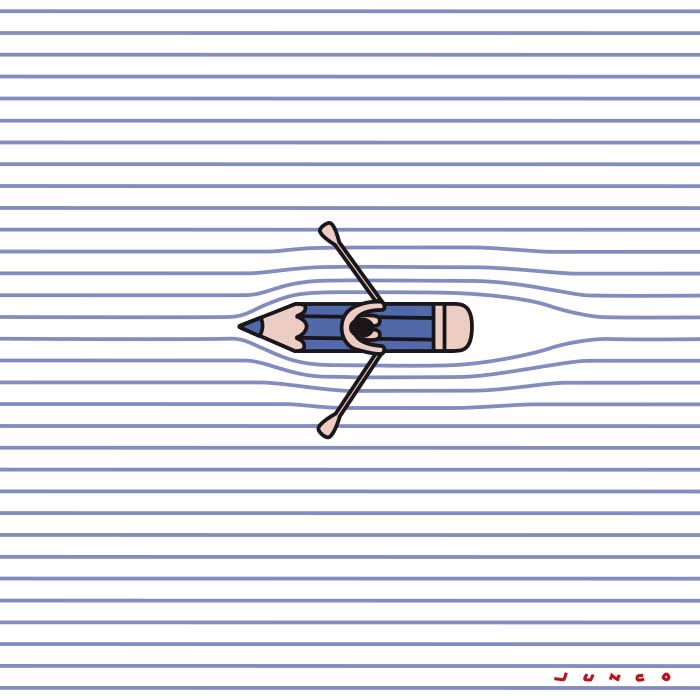
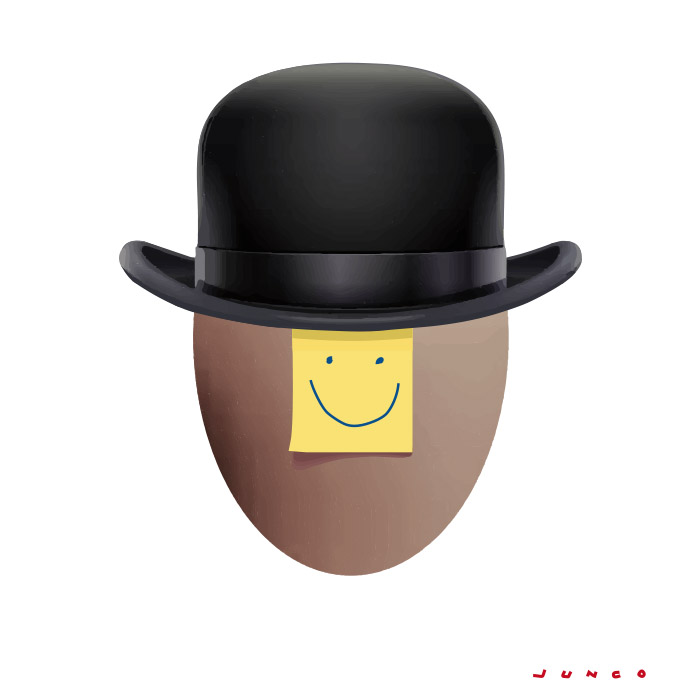
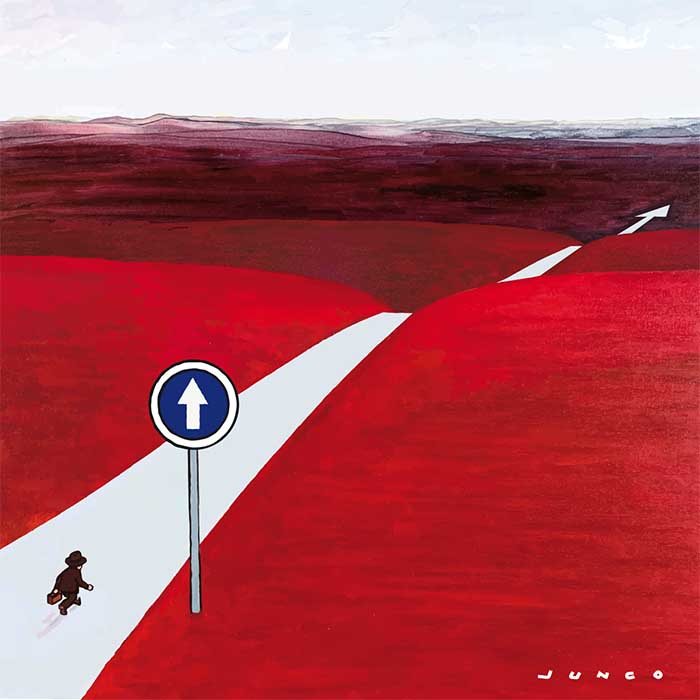
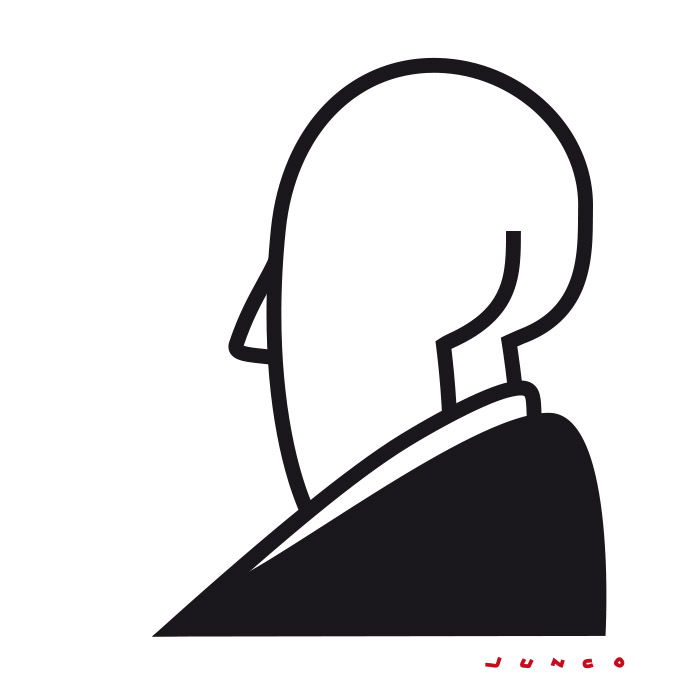
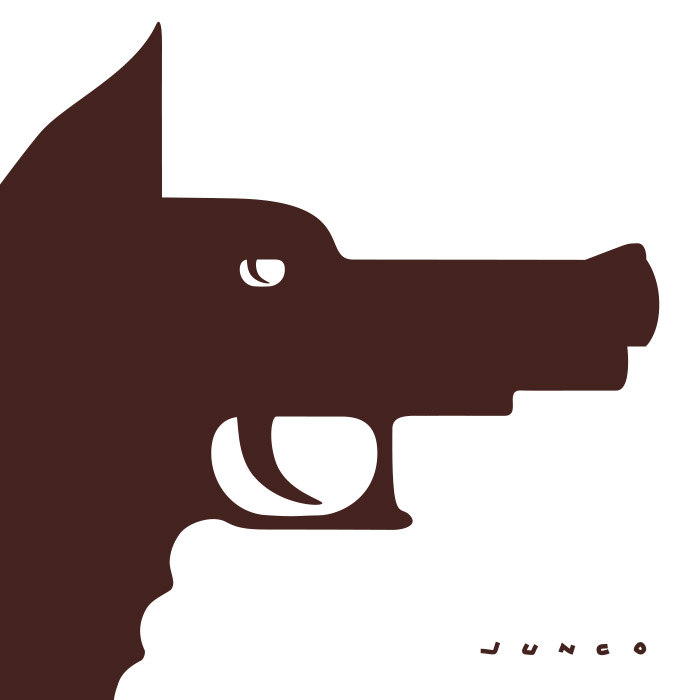
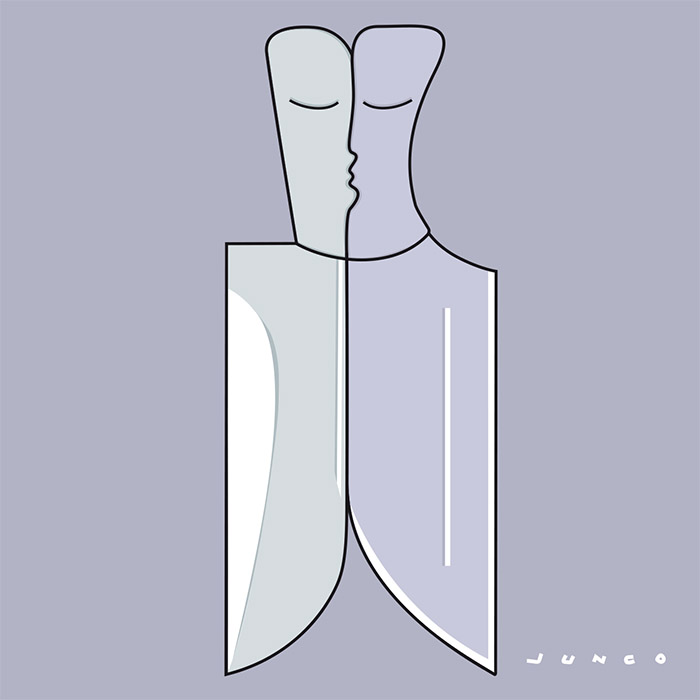
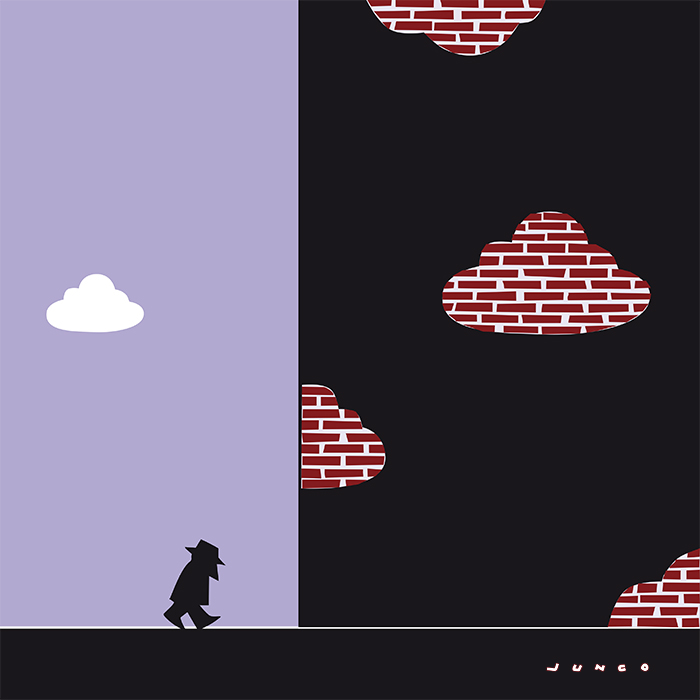
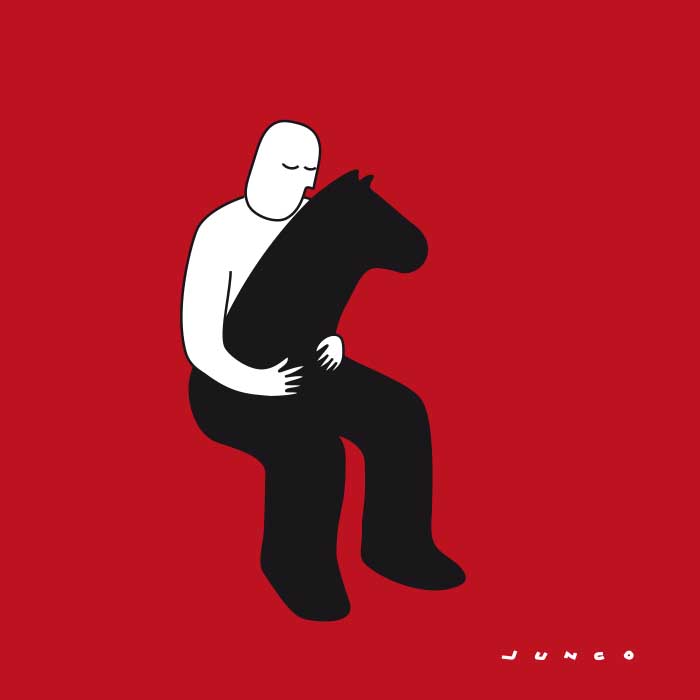
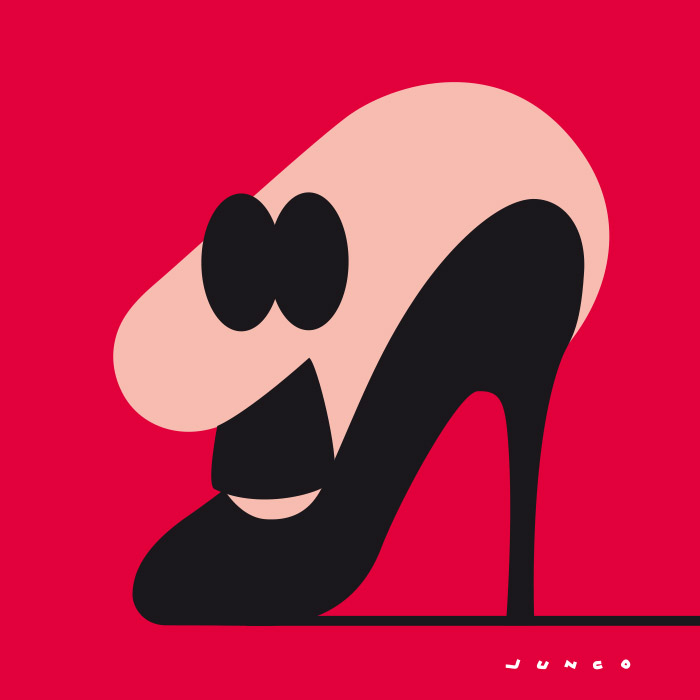
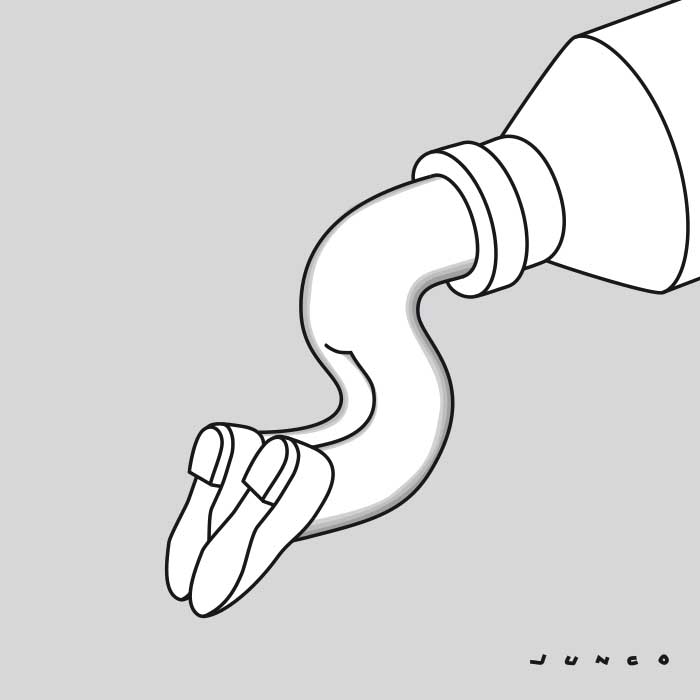
This is a collection of games created to highlight the visual aspect of our way of understanding life. They are all, therefore, intentionally difficult to explain in words. They are devoted to letting the image speak and seeing how it expresses itself to reach our minds. They are not just statements, they are questions. They do not claim -godforbid-, and I would never dare, to reveal any mystery.
They do, however, have the wink that any game has, the complicity of fun, the gift of what we have in common.
Arquetipos
Un arquetipo no es lo que tu digas sino lo que piensa todo el mundo. Un arquetipo es un ejemplo de lo bueno, de lo malo o de lo regular, una forma ideal; es exactamente lo que tiene que ser.
La ciencia era para Platón o Sócrates lo universal, aquello que necesitaba la abstracción para ser alcanzado. Y es que la inteligencia precisa del orden y la jerarquía -la lógica de un buen relato- para entender lo que nos rodea. Los arquetipos surgieron como elementos propios de la abstracción, unas primeras ideas para moverse en la oscuridad.
Carl Gustav Jung identificó los arquetipos con el imaginario que conforma el catálogo mental del que parten los símbolos. Eran la madre, el bien y el mal, el héroe, la envidia, el tirano, el espejo y el martillo, la locura y el odio, el rico y el pobre… las piezas básicas e imprescindibles para construir un insight, es decir, aquello que permite navegar por un discurso.
Aquí se presenta una colección de juegos precisamente creados para destacar lo visual de nuestra manera de entender la vida. Son todos, por ello, intencionadamente difíciles de explicar con palabras. Están dedicados a dejar hablar solo a la imagen y ver su manera de expresarse para alcanzar nuestra mente. Más que afirmaciones son cuestiones. No pretenden, diosmelibre, la revelación de ningún misterio.
Tienen, eso sí, el guiño que posee cualquier juego, la complicidad de una diversión, el regalo de lo que nos es común.
Junco